
15 best Things to Do in Norway
I still remember the first time I stood at the…
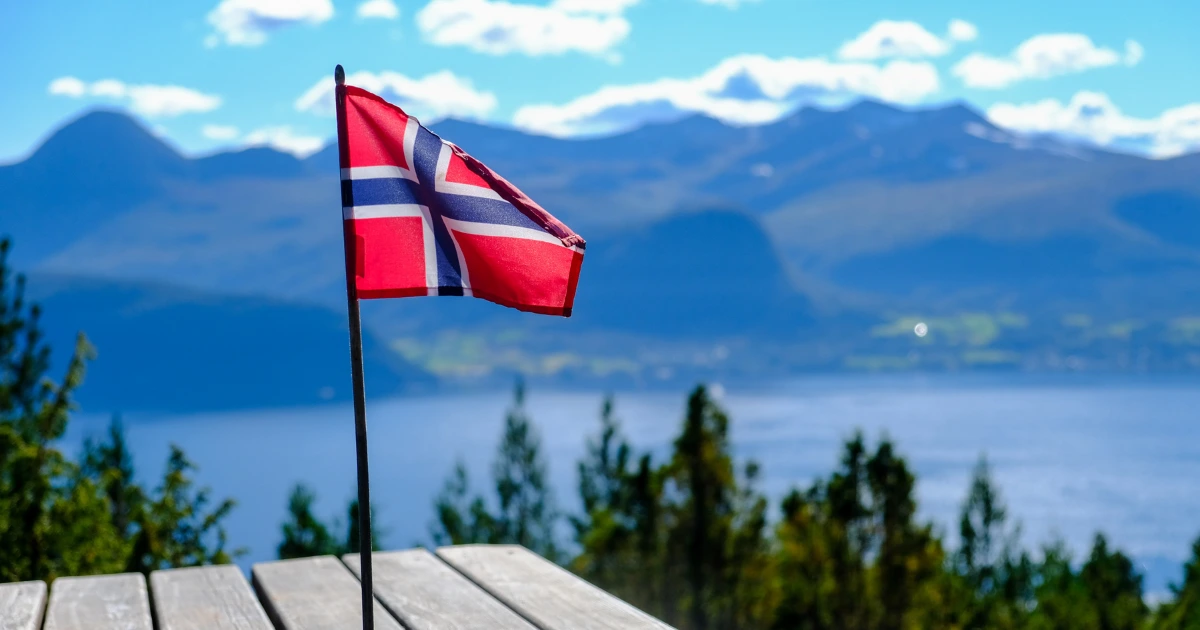
I still remember the first time I stood at the edge of a Norwegian fjord, coffee going cold in my hands, completely unable to process the scale of what I was looking at. Norway does that to you. It’s a country where the landscapes feel slightly exaggerated, like nature was showing off, and where a two-hour drive can take you from a bustling harbor town to a glacier that’s been sitting there since before recorded history.
If you’re planning a trip and wondering what to prioritize, I’ve put together this guide based on the places that genuinely stuck with me (and a few that are just too iconic to skip). Whether you’ve got five days or three weeks, here’s everything worth building your Norway itinerary around.
Find hotels in Norway for your trip
Table of Contents
Things to Do in Norway at a Glance
If you’re short on time, here’s the quick version: Norway’s biggest draws are its fjords (Geiranger and the Nærøyfjord in particular), iconic hikes like Trolltunga and Preikestolen, the historic wharf in Bergen, and the Northern Lights up in Tromsø. Oslo makes a great bookend to any trip, and if you have extra days, the Lofoten Islands and Ålesund are well worth the detour. Below, I’ll walk through all 15 in detail, plus seasonal recommendations and answers to the questions I get asked most.
Planning your trip to Norway? Compare flights and find tours and activities before you go.
15 Best Things to Do in Norway
1. Explore the Fjords of Norway
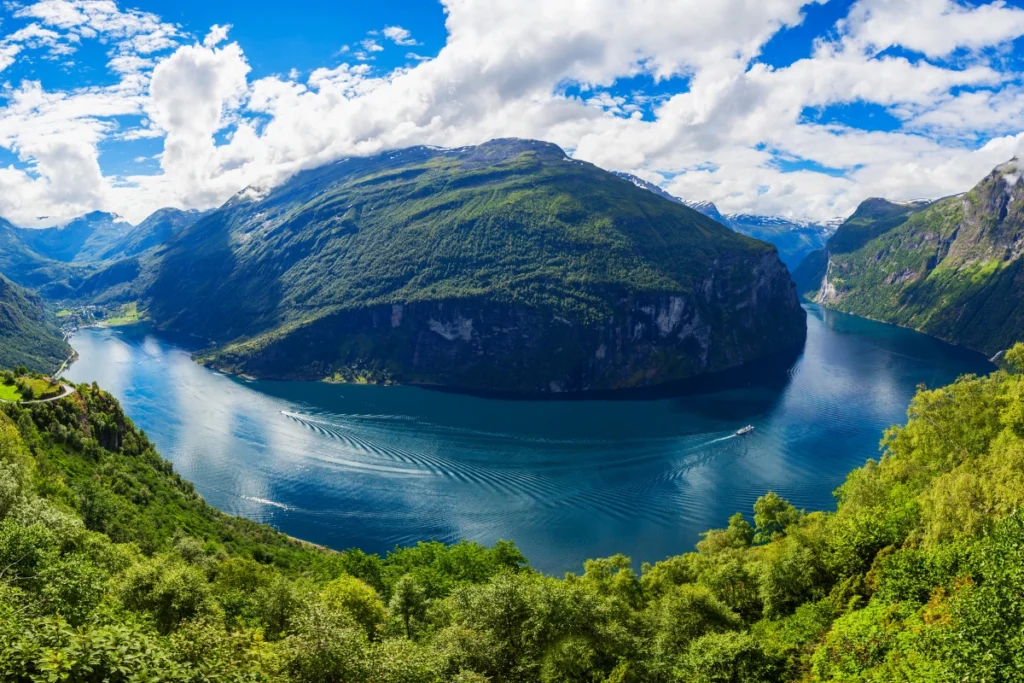
This is the big one, and for good reason. Norway’s fjords are the reason most people book the trip in the first place. Carved by glaciers over thousands of years, they’re these dramatic, steep-walled inlets where cliffs plunge straight into deep blue water. A fjord cruise, even a short one, gives you a totally different perspective than driving along the coast. I’d recommend picking at least one classic route, like the Nærøyfjord, and building a full day around it.
Check fjord cruises and tours in Norway
2. Hike to Trolltunga
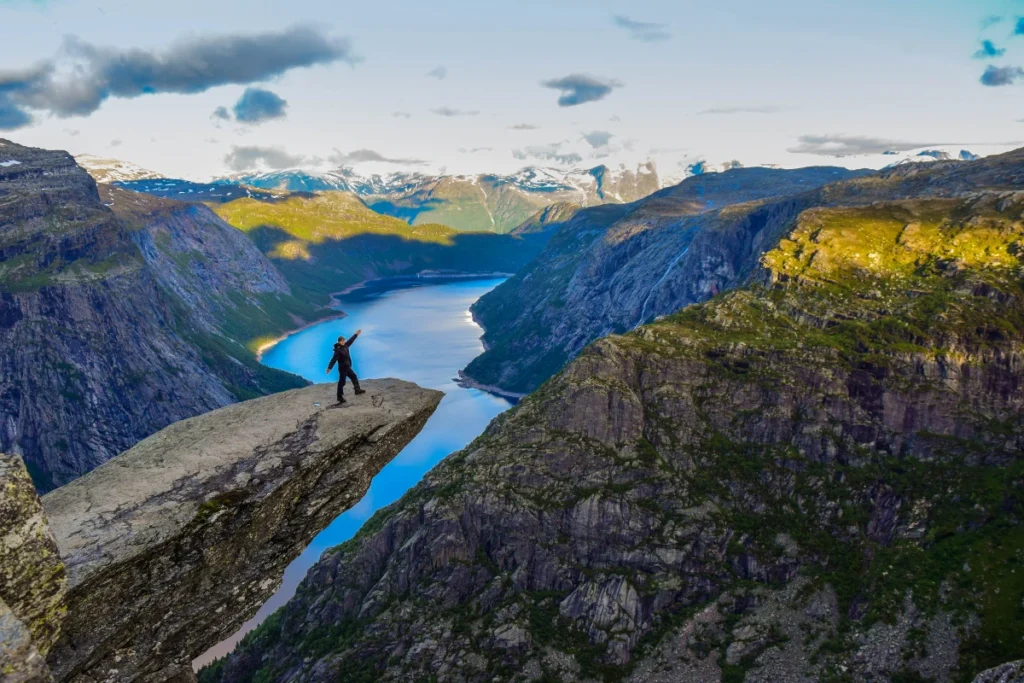
Trolltunga, or “Troll’s Tongue,” is a rock formation that juts horizontally out over a cliff face, roughly 700 meters above a lake below. It’s become one of the most photographed spots in the country, and it earns the hype. Just know what you’re signing up for: this is a demanding 10-12 hour round-trip hike, not a casual stroll. Start early, pack layers, and check weather conditions before you go, since this trail is no joke in bad weather.
3. Visit Bergen and Bryggen
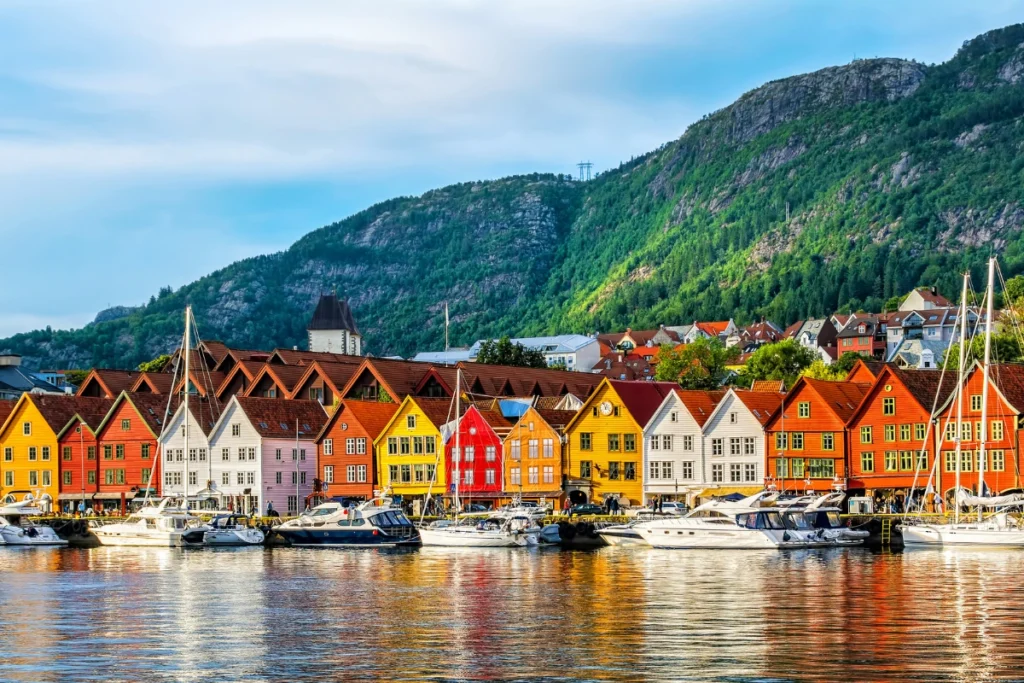
Bergen is Norway’s gateway to the fjords, and its old wharf district, Bryggen, is a UNESCO World Heritage Site full of colorful wooden buildings that used to house Hanseatic merchants. Wander the narrow alleys, browse the fish market, and take the funicular up Mount Fløyen for a sweeping view over the harbor. It’s also just a genuinely pleasant city to spend a lazy afternoon in, with good coffee shops and easy walkability.
Explore Bergen tours and activities
4. See the Northern Lights in Tromsø
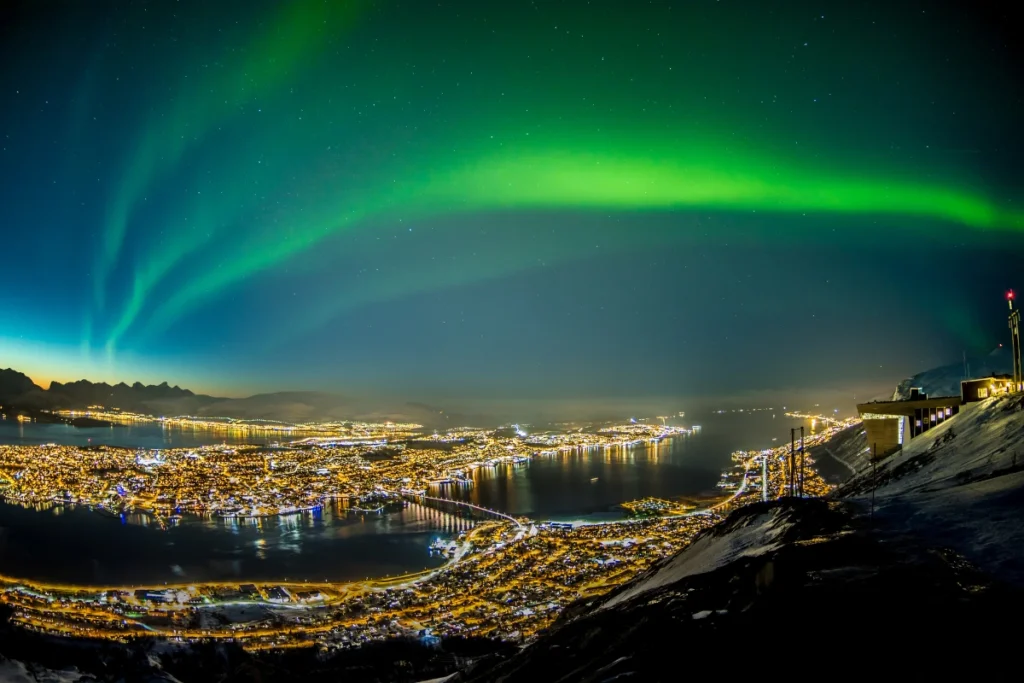
Tromsø sits far enough north, and has clear enough winter skies, that it’s one of the most reliable places in the world to catch the Aurora Borealis. Between late September and late March, you’ve got a real shot at seeing the sky turn green and sometimes purple overhead. Book a guided tour if it’s your first time chasing the lights, since local guides know how to track clear patches of sky and can get you away from city light pollution.
Compare Northern Lights tours in Tromsø
5. Hike to Preikestolen (Pulpit Rock)
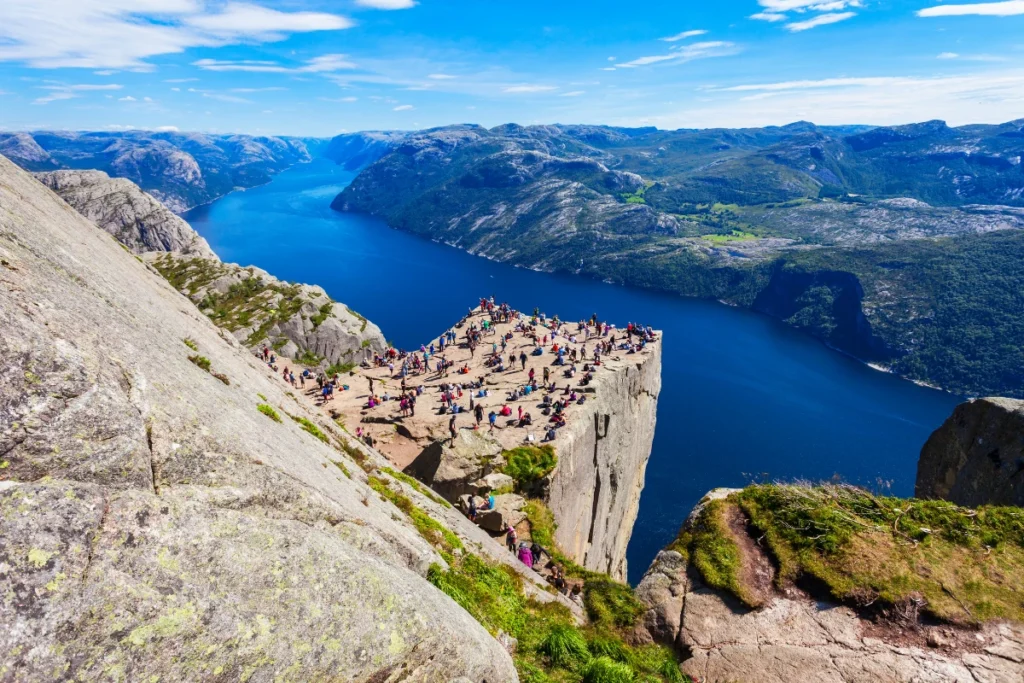
Preikestolen is a flat-topped cliff rising 604 meters straight up from the Lysefjord, and it’s one of the more accessible iconic hikes in Norway; most people manage it in about 4-5 hours round trip. There’s no railing at the top, which makes for a heart-pounding photo but also means you’ll want to be careful with kids or if you’re not great with heights. The view down the fjord is worth every step.
6. Ride the Flåm Railway
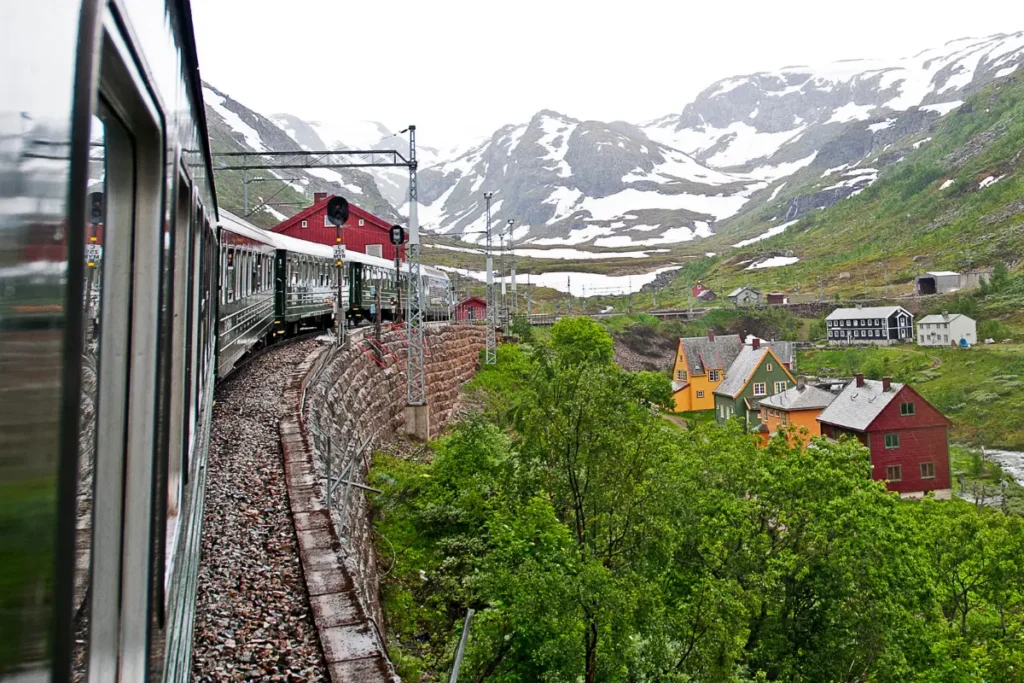
The Flåm Railway is often called one of the most scenic train rides on earth, and I won’t argue. It descends roughly 900 meters over about an hour, cutting through steep mountainsides, past waterfalls, and through hairpin turns and tunnels engineered over 20 years. It’s an easy way to experience dramatic Norwegian scenery without lacing up hiking boots, and it pairs perfectly with a fjord cruise on the same day.
Explore Flåm Railway tours and fjord experiences
7. Explore Oslo’s Top Attractions
Norway’s capital doesn’t always get the spotlight compared to the fjords, but it deserves a couple of days. The Vigeland Sculpture Park is full of striking, sometimes strange bronze and granite figures. The Fram Museum and the nearby Viking Ship Museum dig into Norway’s maritime and exploration history. And Akershus Fortress, right on the harbor, is a great spot to watch the sunset with the city behind you.
Explore Oslo tours and attractions
8. Visit the Geirangerfjord
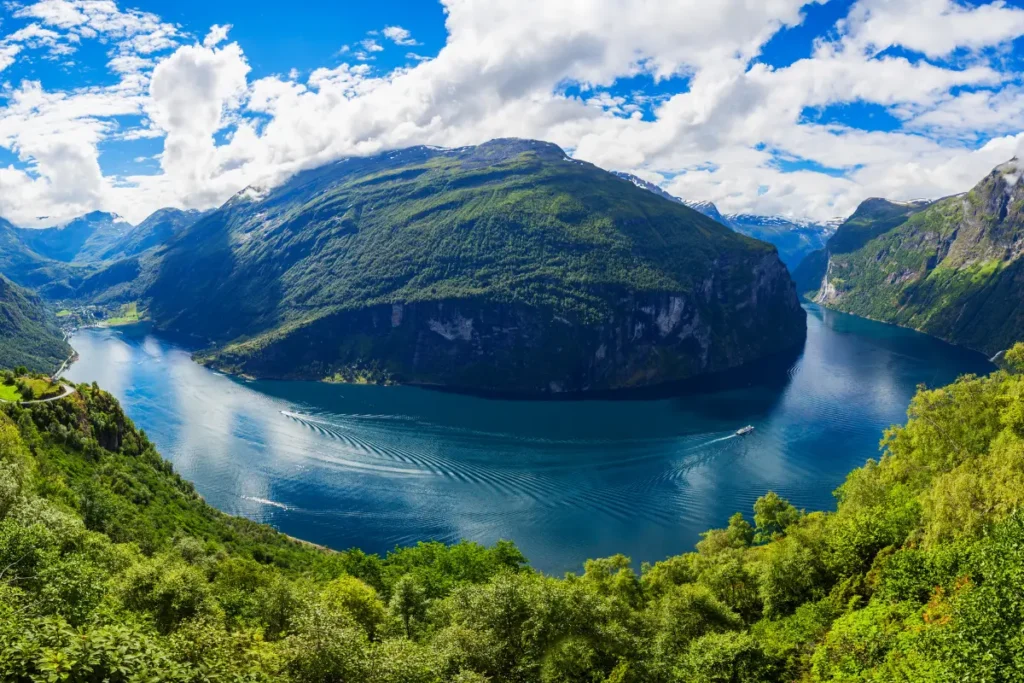
If you only see one fjord up close, make it this one. The Geirangerfjord is a UNESCO-listed stretch of water lined with waterfalls, including the famous “Seven Sisters,” and framed by mountains that rise almost 1,500 meters straight from the shoreline. A cruise along the fjord, or a drive up the Eagle Road switchbacks for a bird’s-eye view, are both worth building time for.
Check Geirangerfjord cruises and experiences
9. Experience the Midnight Sun
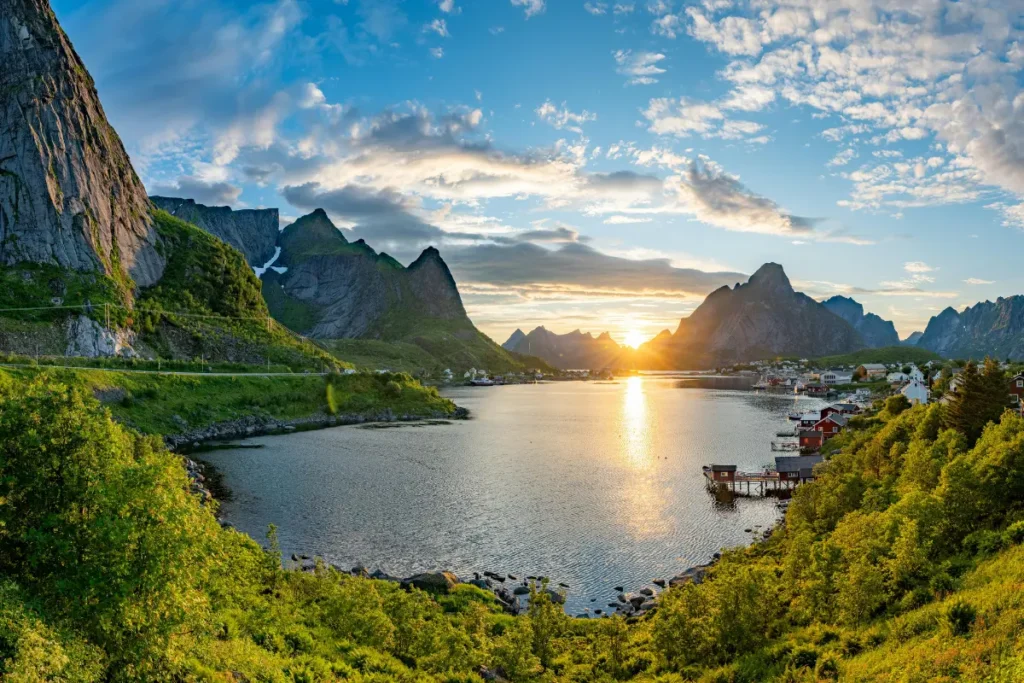
If you’re visiting north of the Arctic Circle between roughly late May and late July, you’re in for something strange and wonderful: the sun simply doesn’t set. Places like Tromsø, the Lofoten Islands, and Svalbard get 24-hour daylight, which makes for surreal midnight hikes, golf rounds, and photo opportunities. It also throws off your internal clock in a fun, disorienting way, so pack an eye mask if you want actual sleep.
10. Explore the Lofoten Islands
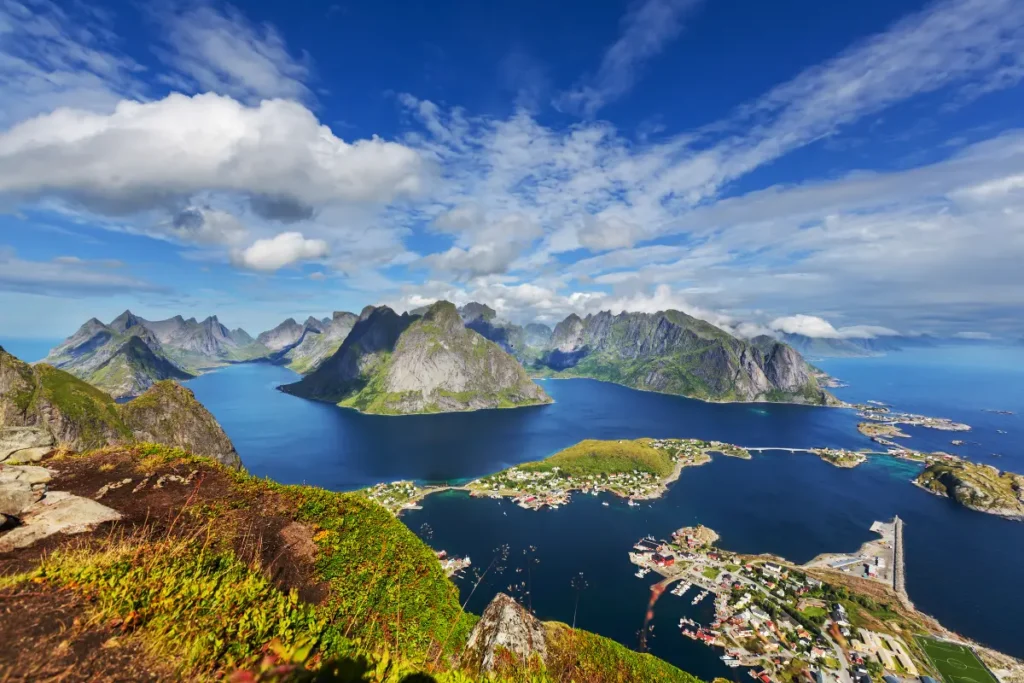
Lofoten is where Norway’s scenery gets almost cartoonishly dramatic: jagged peaks rising straight out of the sea, tiny fishing villages painted deep red, and beaches that look Caribbean until you touch the water. It’s a bit further off the beaten path than Bergen or Tromsø, which is part of the appeal. Rent a car and take your time working through villages like Reine and Henningsvær.
11. Visit the Viking Village in Gudvangen
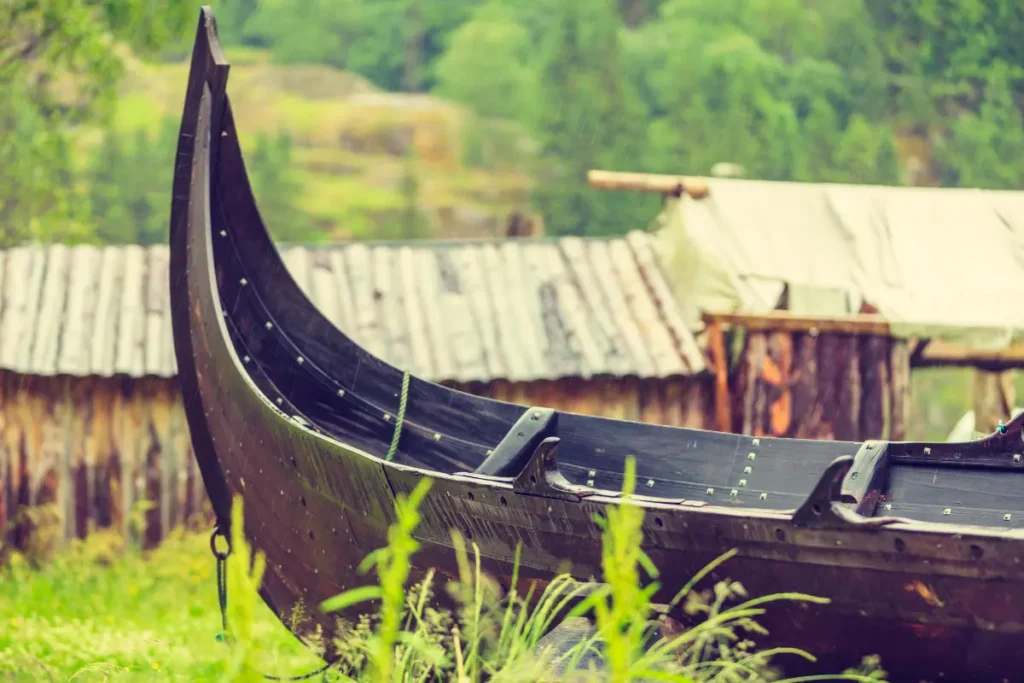
For a hands-on dose of Norway’s Viking history, Gudvangen hosts a recreated Viking village nestled between towering mountains. Costumed reenactors, traditional crafts, and seasonal Viking market events make it feel less like a museum and more like a step back a thousand years. It’s a fun stop if you’re already passing through on the way to or from the fjords.
12. Explore a Norwegian Glacier
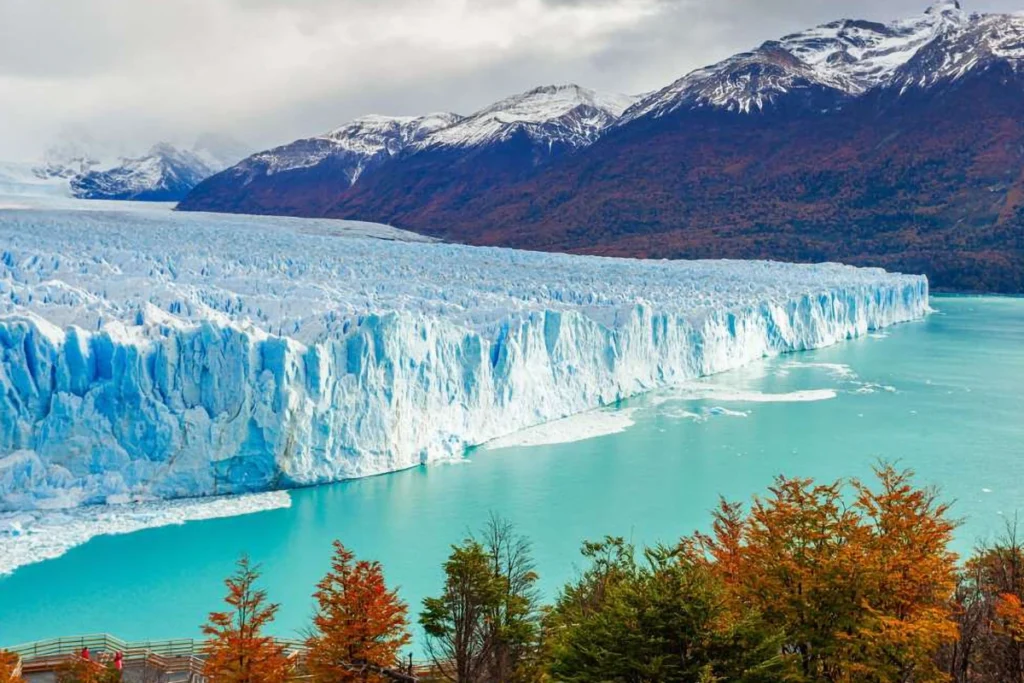
Norway is home to mainland Europe’s largest glacier, Jostedalsbreen, along with several other accessible ice fields. Guided glacier walks let you strap on crampons and explore blue ice formations and crevasses up close, something most people never get the chance to do. It’s cold, it’s a little strenuous, and it’s absolutely worth it.
Explore glacier tours and experiences in Norway
13. Discover Ålesund and Its Art Nouveau Architecture
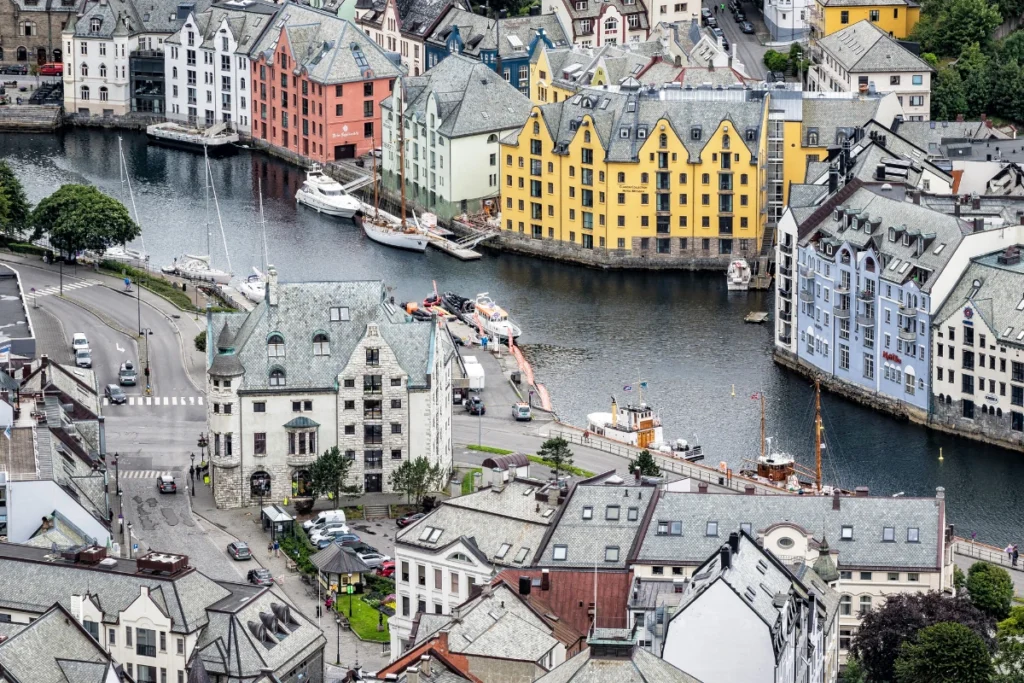
After a devastating fire in 1904, Ålesund was rebuilt almost entirely in the Art Nouveau style, and today it’s one of the most architecturally distinctive towns in Norway. Climb the 418 steps up Aksla viewpoint for a panorama over the harbor and surrounding islands, then spend the afternoon wandering streets lined with turrets, spires, and ornate facades.
14. Visit the Arctic Town of Longyearbyen
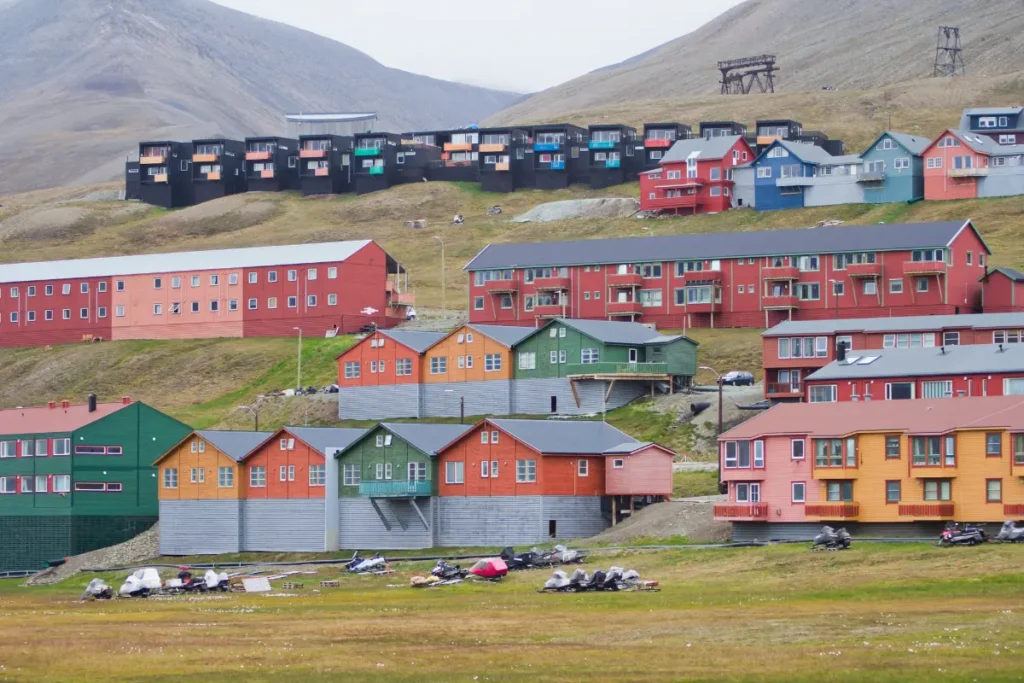
Longyearbyen, on the Svalbard archipelago, is about as far north as most travelers will ever get, roughly 800 kilometers from the North Pole. It’s a genuinely strange and fascinating place: polar bear warning signs at the edge of town, a “no burial” policy because bodies don’t decompose in the permafrost, and access to glacier hikes, dog sledding, and wildlife safaris you can’t find anywhere else.
15. Explore Norway’s Scenic Waterfalls
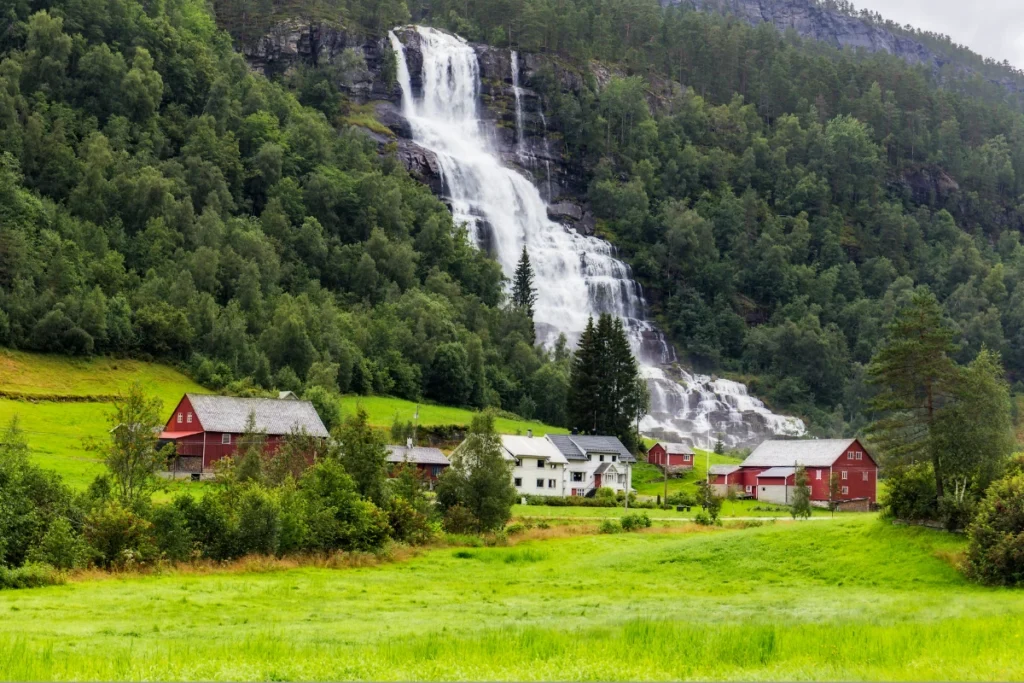
Norway has an almost absurd number of waterfalls thanks to its steep terrain and glacial meltwater. Vøringsfossen, Langfoss, and Kjosfossen (visible right from the Flåm Railway) are among the most impressive. Many are just a short walk from the road, making them an easy addition to a fjord-focused road trip.
More Things to Do in Norway by Season
Things to Do in Norway in Summer
Summer (June through August) is peak season, and it’s when most of the country opens up. Hiking trails like Trolltunga and Preikestolen are at their most accessible, ferries and fjord cruises run full schedules, and you can chase the Midnight Sun in the north. It’s also the best window for road-tripping the coast, since mountain passes are clear and days stretch on seemingly forever.
Things to Do in Norway in Winter
Winter (roughly November through March) transforms Norway into a different destination entirely. This is your window for the Northern Lights, especially around Tromsø, along with dog sledding, snowmobiling, and skiing at resorts like Trysil. Fjord cruises still run, and a snow-covered fjord landscape is arguably even more dramatic than the summer version, just bundle up accordingly.
Explore winter tours and activities in Norway
Tips for Enjoying the Best Things to Do in Norway
- Book popular hikes and tours ahead of time, especially Trolltunga shuttle buses and Northern Lights tours, since summer and winter high seasons fill up fast.
- Rent a car if you can. Norway’s train and bus network is good, but a car gives you access to smaller villages, scenic detours, and waterfall stops that public transport skips.
- Pack layers no matter the season. Weather shifts quickly, especially in the mountains and fjords, and it can be sunny and cold in the same afternoon.
- Use the Norway in a Nutshell route if you want an efficient way to combine the Flåm Railway, a fjord cruise, and scenic train travel in a single day.
- Budget more time than you think you need. Distances on a map can be deceiving once you factor in ferry crossings and winding mountain roads.
Frequently Asked Questions About Things to Do in Norway
What is Norway best known for?
Norway is best known for its fjords, dramatic hiking trails like Trolltunga and Preikestolen, the Northern Lights, and its Viking heritage. It’s also recognized for its high quality of life, extensive coastline, and outdoor culture built around hiking, skiing, and fishing.
How many days do you need in Norway?
Most travelers find 7-10 days enough to cover a solid mix of Oslo, Bergen, and one or two fjord regions. If you want to add Tromsø, Lofoten, or Svalbard, plan for closer to two weeks so you’re not spending all your time in transit.
Find hotels in Norway for your trip
What is the best time to visit Norway?
Summer (June to August) is ideal for hiking, fjord cruises, and the Midnight Sun, with long daylight hours and the most reliable weather. Winter (December to March) is best if the Northern Lights or winter sports are your priority. Shoulder seasons like May and September offer a good balance of fewer crowds and decent weather.
Is Norway expensive to visit?
Yes, Norway is consistently ranked among the more expensive countries to visit, particularly for dining out and alcohol. You can manage costs by booking accommodations early, cooking some of your own meals, using public transport or a rental car instead of taxis, and taking advantage of free activities like hiking and exploring city centers.