
Best Places to Visit in Croatia
Discover the best places to visit in Croatia, from Dubrovnik and Split to Plitvice Lakes. Get travel tips, timing advice and how many days you need.
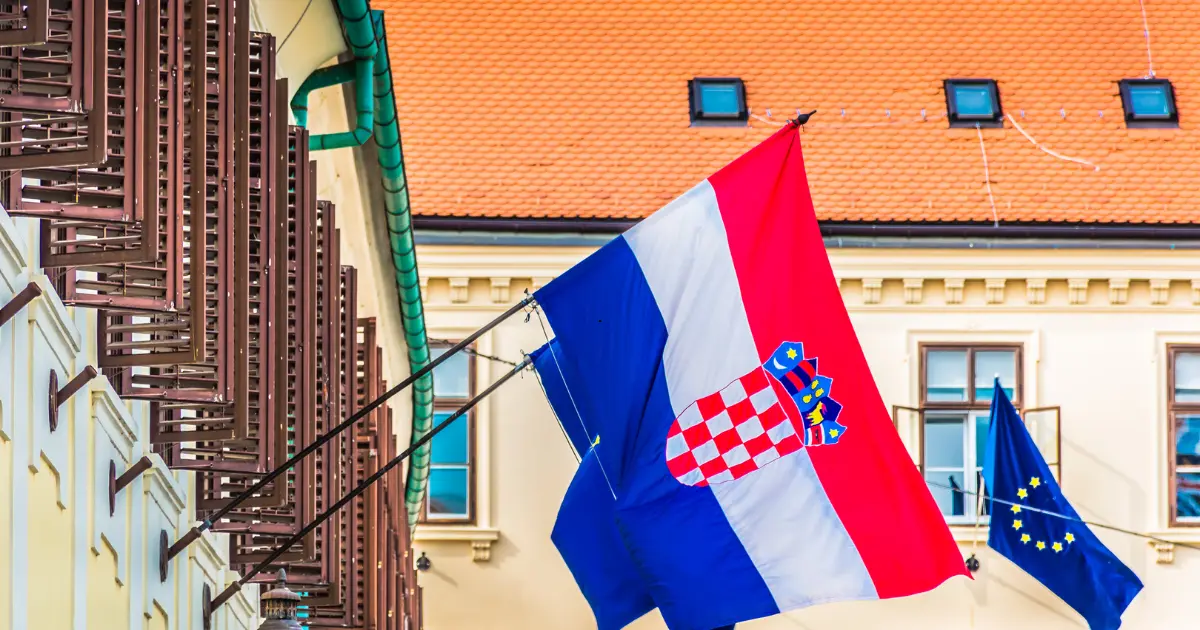
Croatia packs a huge amount into a country small enough to explore in a single road trip. There are Roman palaces, Venetian harbors, thundering waterfalls, and more than a thousand islands and islets scattered across the Adriatic. That variety is what makes choosing the best places to visit in Croatia so tricky. Do you spend three nights in Dubrovnik or chase waterfalls inland? Island-hop or stay on the mainland?
This guide narrows it down. You’ll find the top destinations grouped by what they do best (coast, nature and history), plus practical advice on getting around, timing your trip, and how many days you really need.
How to Get Around the Places to Visit in Croatia
Croatia is easy to navigate, but the best option depends on your route.
- Car: Renting a car gives you the most freedom, especially for national parks and small towns like Ston. Motorways connect Zagreb with the coast, though tolls apply. Parking inside old towns is tight, so park outside the walls.
- Bus: The intercity network is reliable and affordable, and it links most towns from Zagreb down to Dubrovnik. It’s a good choice if you’re coast-hopping without a car.
- Ferries: Essential for the islands. The Split to Hvar route is the most popular, and summer sailings (especially with vehicles) should be booked ahead.
- Trains and flights: Rail is limited and slow, and domestic flights are few. Skip both unless your route requires them.
Stay connected while traveling around Croatia with a 5G eSIM.
Table of Contents
Top Places to Visit in Croatia for a First Trip
Dubrovnik
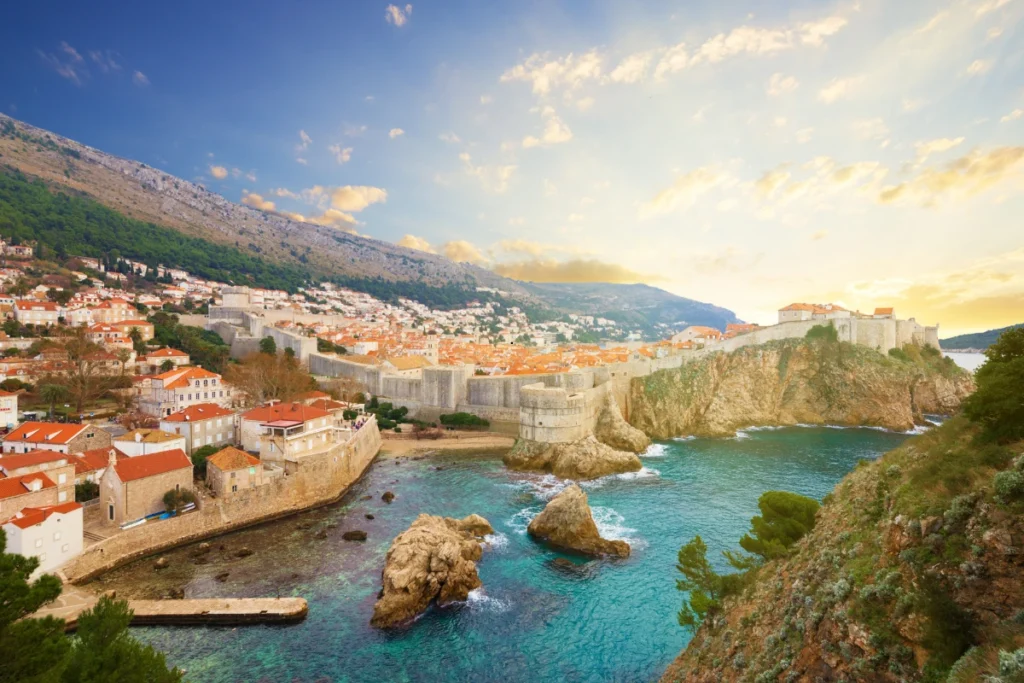
Often called the Pearl of the Adriatic, Dubrovnik is the postcard version of Croatia. Walk the roughly two kilometers of medieval city walls for views over terracotta rooftops and open sea. Then wander the polished limestone streets of the UNESCO-listed Old Town, and take the cable car up Mount Srđ at sunset. Game of Thrones fans will spot plenty of familiar filming locations.
Summer brings heavy crowds when cruise ships dock, so go early in the morning or visit in the shoulder season. Plan on two nights, and consider a boat trip to nearby Lokrum island.
Split
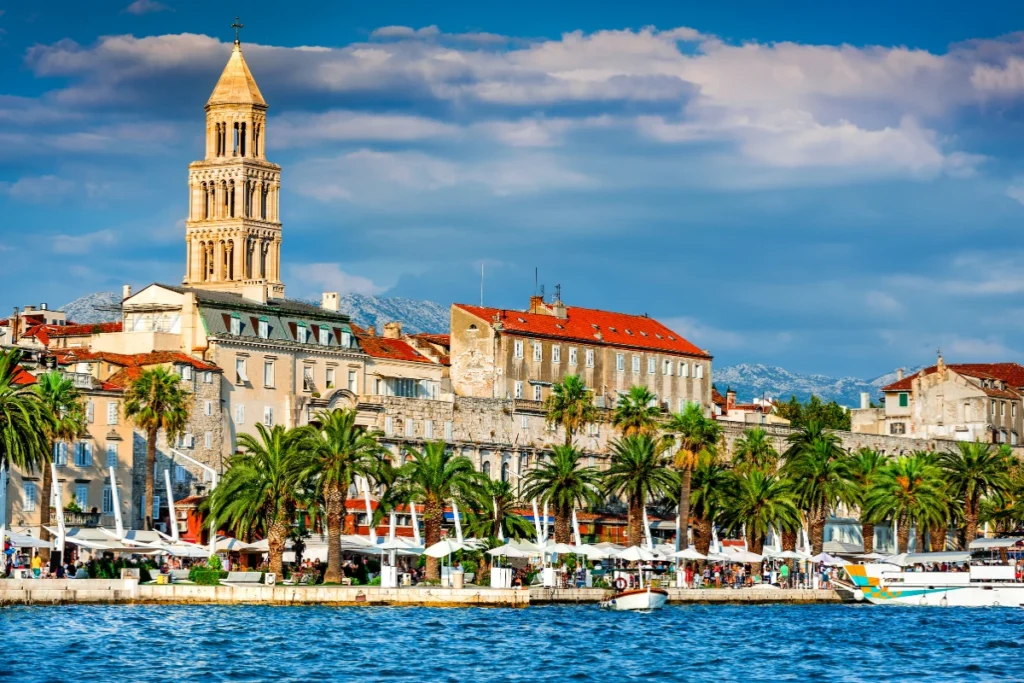
Split is built into the walls of Diocletian’s Palace, a Roman emperor’s retirement home dating to the early 4th century. Its ancient halls now hold shops, cafés and apartments, so you can eat dinner inside a building that’s more than 1,700 years old.
Stroll the Riva waterfront, climb Marjan Hill for panoramic views, and use the city as a gateway to islands like Hvar, Brač and Vis. With an airport, ferry port and bus station, it’s one of the easiest bases on the coast.
Zagreb
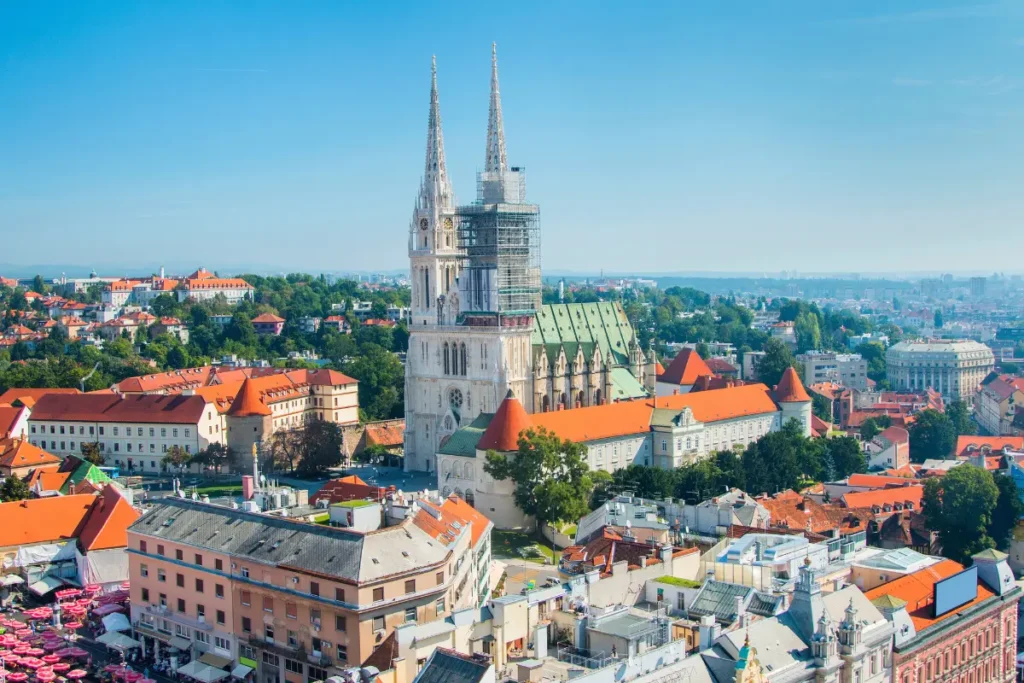
Croatia’s capital feels different from the coast. Expect Austro-Hungarian architecture, leafy squares and a lively café culture. Explore the Upper Town and the colorful tiled roof of St. Mark’s Church, then head down to Dolac Market and the parks of the Lower Town. The quirky Museum of Broken Relationships is a favorite.
In December, the Advent markets draw visitors from across Europe. One or two days is plenty, and Zagreb works well at the start or end of a trip.
Zadar
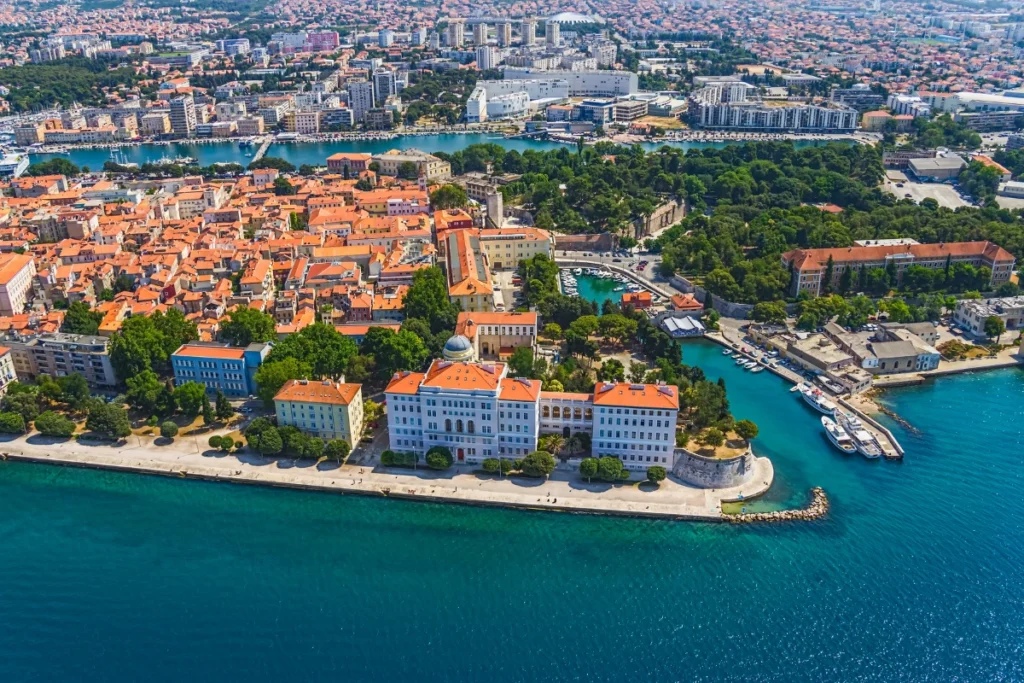
Zadar is a laid-back city with a walkable peninsula Old Town and some of the coast’s most creative public art. The Sea Organ turns the movement of waves into music beneath the waterfront steps, while the Greeting to the Sun lights up the promenade after dark. Roman ruins and the round St. Donatus Church add historical depth.
Alfred Hitchcock is famously said to have called Zadar’s sunset the most beautiful in the world, so save an evening for the waterfront. It’s also a handy base for the Kornati islands and Paklenica National Park.
Best Coastal Places to Visit in Croatia
Hvar
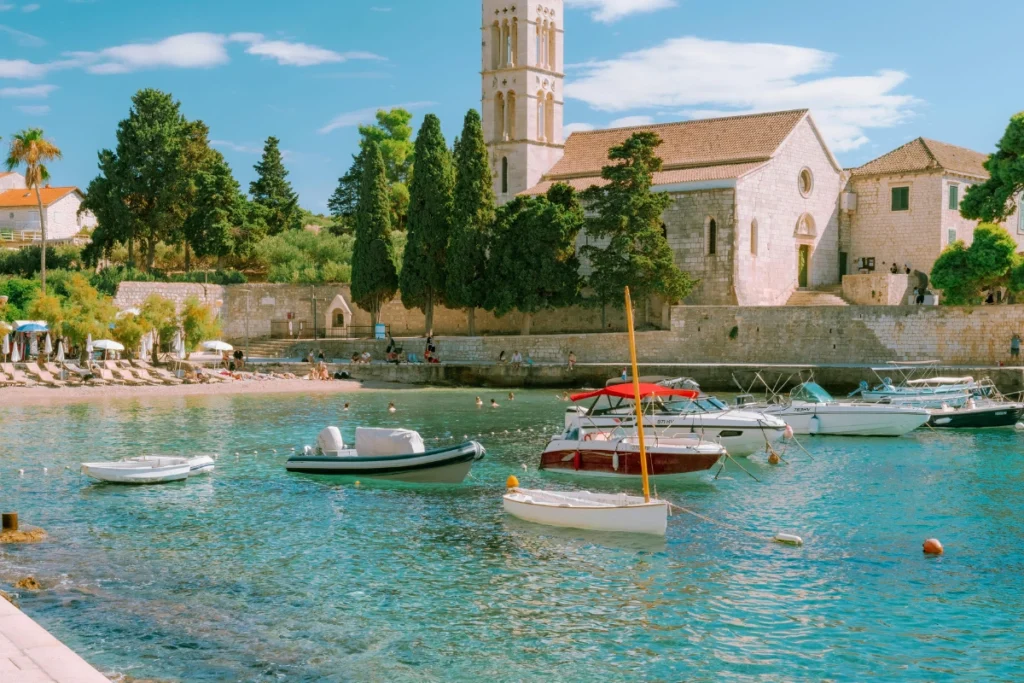
Known for its sunshine, lavender fields and lively nightlife, Hvar is the island many travelers picture first. In Hvar Town, climb to the Spanish Fortress for sunset views. Then take a water taxi to the Pakleni Islands, where quiet coves are ideal for swimming.
For a calmer experience, visit Stari Grad, home to an ancient Greek agricultural plain recognized by UNESCO. To dodge the summer party crowds, go in June or September.
Rovinj
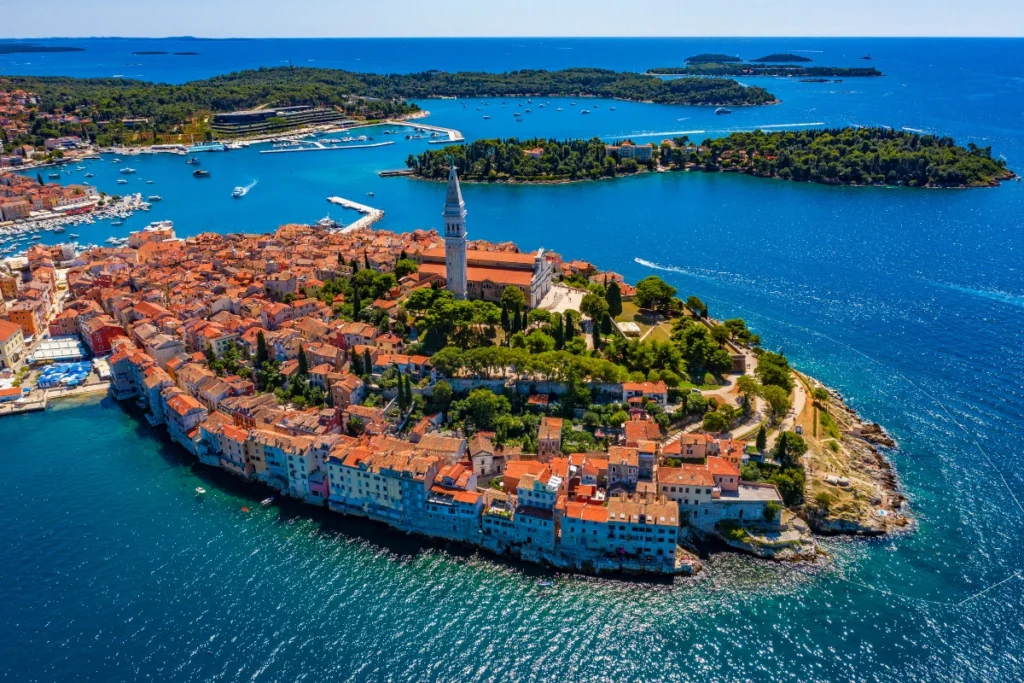
Rovinj is Istria’s most romantic town. A Venetian-style old town sits on a small peninsula, with pastel houses stacked around the harbor and the bell tower of St. Euphemia’s Church rising above them. Cobbled lanes lead past art galleries and waterside restaurants.
Just outside town, the Golden Cape forest park is great for cycling and swimming. Istria is also known for truffles, olive oil and wine, which makes it a natural stop for food lovers.
Šibenik
Šibenik sees fewer crowds than its famous neighbors, and it rewards curious travelers. The UNESCO-listed Cathedral of St. James is built entirely of stone, with remarkable carved details. The Fortress of St. Michael offers sweeping views over the old town and the Adriatic.
It’s also the closest town to Krka National Park, which makes it a smart, good-value base for exploring the region.
Best Nature Places to Visit in Croatia
Plitvice Lakes National Park
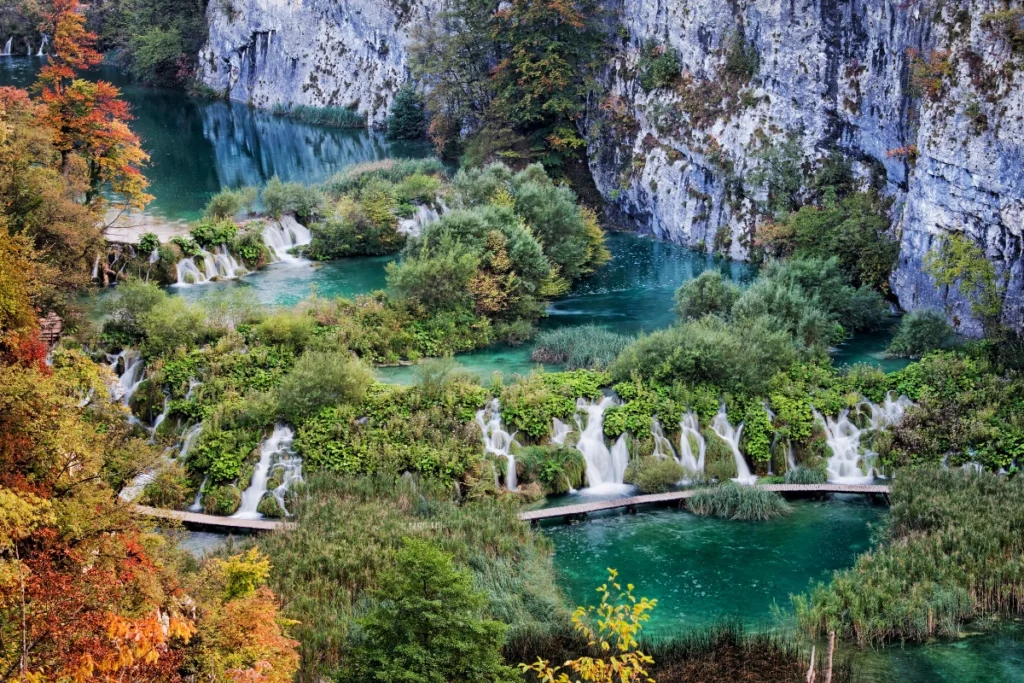
Plitvice is Croatia’s most famous natural attraction. Sixteen terraced lakes are linked by waterfalls and cascades, with wooden boardwalks and trails winding above and beside the water. The colors shift from turquoise to emerald depending on the light and season, and the park has been UNESCO-listed since 1979.
Swimming isn’t permitted, but you’ll get plenty of photos. Tickets can sell out in peak season, so book ahead and arrive early. Spring brings the fullest waterfalls, autumn brings the foliage, and winter can be magical under snow. Allow a half to full day.
Krka National Park
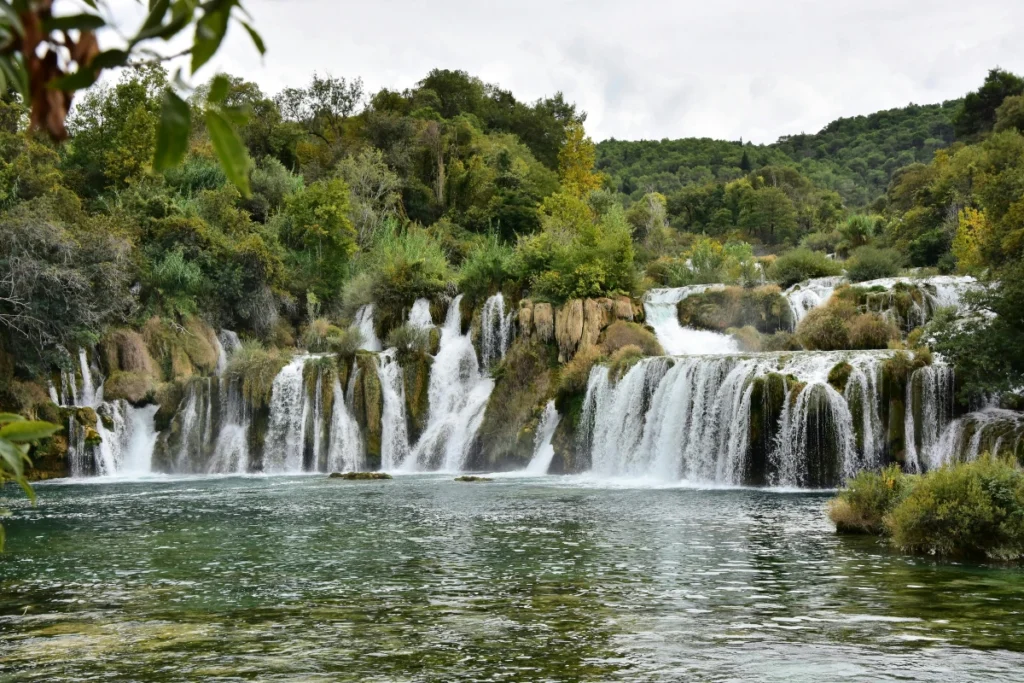
Krka is more relaxed than Plitvice and easier to combine with a coastal itinerary. Its centerpiece is Skradinski Buk, a series of cascading pools and waterfalls. Boat trips depart from the town of Skradin, and you can visit Visovac, a tiny island with a monastery in the middle of the river.
It’s an easy day trip from Split, Zadar or Šibenik. Swimming at the main waterfall has been restricted in recent years, so check the park’s current rules before you pack.
Best Historic Places to Visit in Croatia
Trogir
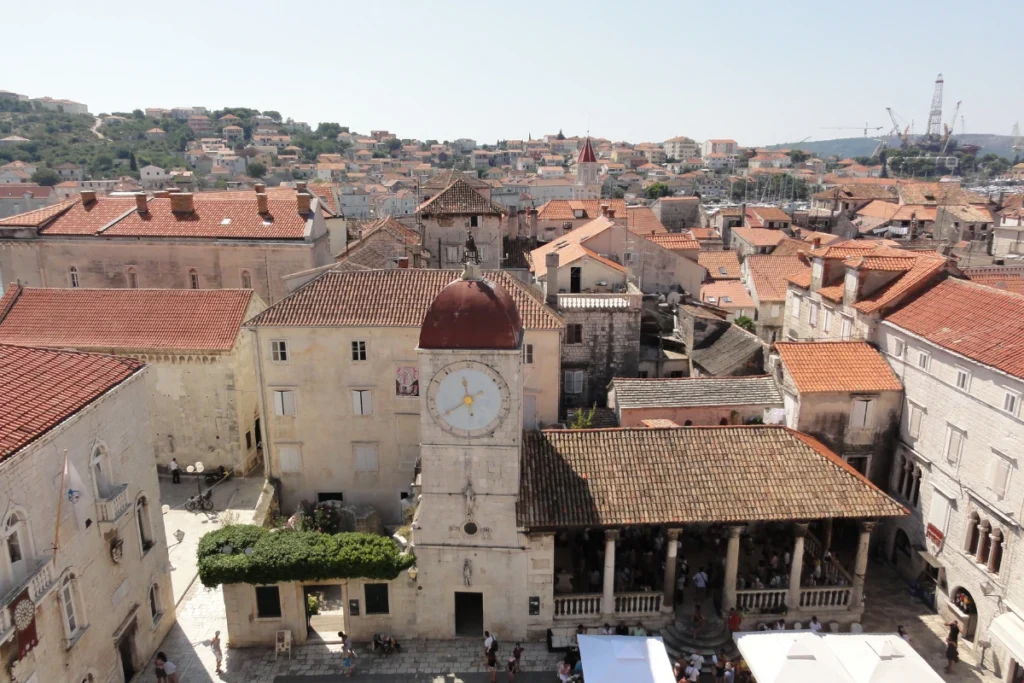
Trogir’s compact, UNESCO-listed old town sits on a tiny island connected to the mainland by bridge. Romanesque and Renaissance buildings crowd the narrow lanes. Don’t miss the Cathedral of St. Lawrence, famous for its intricately carved portal, or the Kamerlengo Fortress.
It’s an easy half-day from Split and very close to Split Airport, so it makes an ideal first or last stop.
Ston
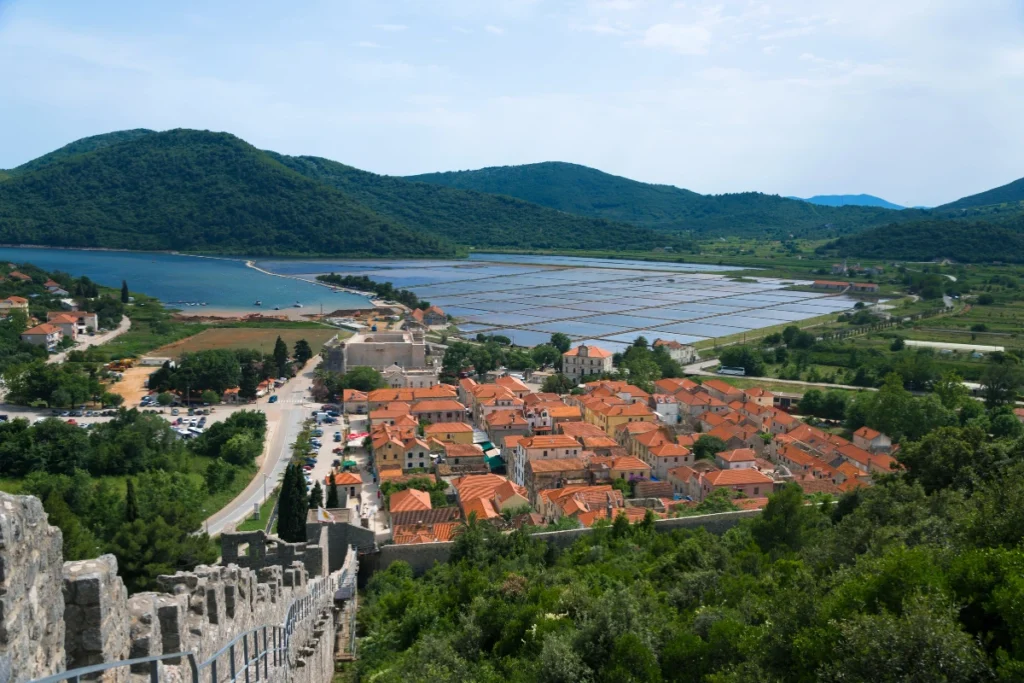
Ston is a smaller stop with a big claim to fame. Its fortification walls stretch for more than five kilometers over the hills, linking Ston with neighboring Mali Ston, and they are among the longest in Europe. Walking a section rewards you with views over the salt pans and the Pelješac peninsula.
Mali Ston is famous for its oysters, and the surrounding Pelješac region produces some of Croatia’s best wines. Since the Pelješac Bridge opened, driving between Split and Dubrovnik no longer requires crossing the short stretch of Bosnian territory at Neum, which makes Ston an even easier stop.
How to Choose the Best Places to Visit in Croatia
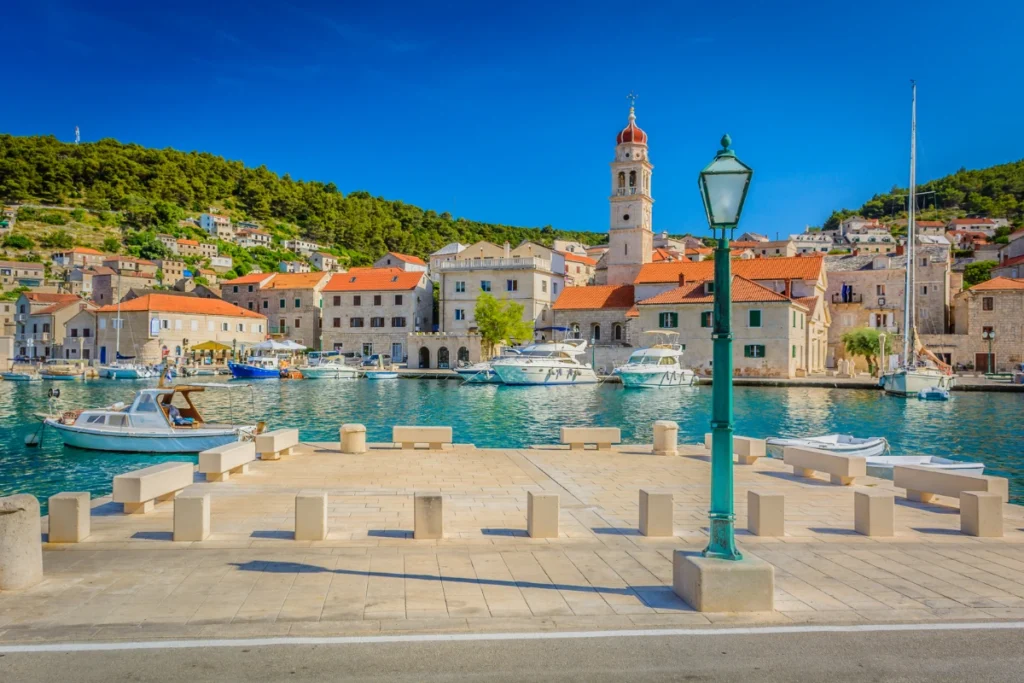
You can’t see everything in one trip, so match your choices to your interests.
For beaches and islands: Base yourself in Split or Hvar, and add Rovinj if you want Istria’s coastline. Island hopping is easiest from Split.
For history and culture: Dubrovnik, Split and Trogir form a classic trio. Add Šibenik and Ston for quieter historic stops, and Zagreb for a city break.
For nature and outdoor activities: Plitvice and Krka are the headliners. Zadar is an excellent base for Paklenica’s hiking trails and the Kornati islands.
Planning Your Trip to the Places to Visit in Croatia
Best time to visit Croatia
Late spring (May to June) and early autumn (September to early October) are the sweet spots. The weather is warm, the sea is swimmable, and crowds and prices are lower than in peak season. July and August are hot, busy and expensive, and ferries fill quickly. Winter is quiet on the coast and many seasonal businesses close, but Zagreb’s Advent markets and a snowy Plitvice can be worth it.
How many days to spend in Croatia
- 5 to 6 days: Focus on one region, such as Split plus islands, or Dubrovnik plus Split.
- 7 to 10 days: The classic first-timer route covers Zagreb, Plitvice, Zadar or Šibenik, Split, Hvar and Dubrovnik.
- 10 to 14 days: Add Istria, Trogir and Ston, and slow the pace to enjoy each stop.
FAQ About Places to Visit in Croatia
What are the best places to visit in Croatia?
Dubrovnik, Split, Plitvice Lakes National Park and Hvar top most lists. Zagreb, Zadar, Rovinj and Krka National Park are also excellent, depending on your interests.
What is the most beautiful place to visit in Croatia?
It’s subjective, but many travelers name Plitvice Lakes for its waterfalls and Dubrovnik for its walled Old Town and sea views.
What are the best places to visit in Croatia for first-time visitors?
Start with Dubrovnik, Split, Plitvice and Hvar. They cover history, coast and nature, and they’re well connected by roads, buses and ferries.
How many days are enough to visit Croatia?
Seven to ten days lets you see the highlights without rushing. If you have less time, focus on one region.
Final Thoughts on Places to Visit in Croatia
From Dubrovnik’s medieval walls to Plitvice’s turquoise lakes, Croatia rewards every kind of traveler. The best plan is to pick your top three places to visit in Croatia, build your route around them, and leave room for a spontaneous detour or two.
Which place is at the top of your list? Tell us in the comments, and subscribe for more destination guides and itineraries.