
Best Places to Visit in Scotland
Discover the best places to visit in Scotland, from historic cities and dramatic Highlands to beautiful islands, lochs, castles, and coastal landscapes.
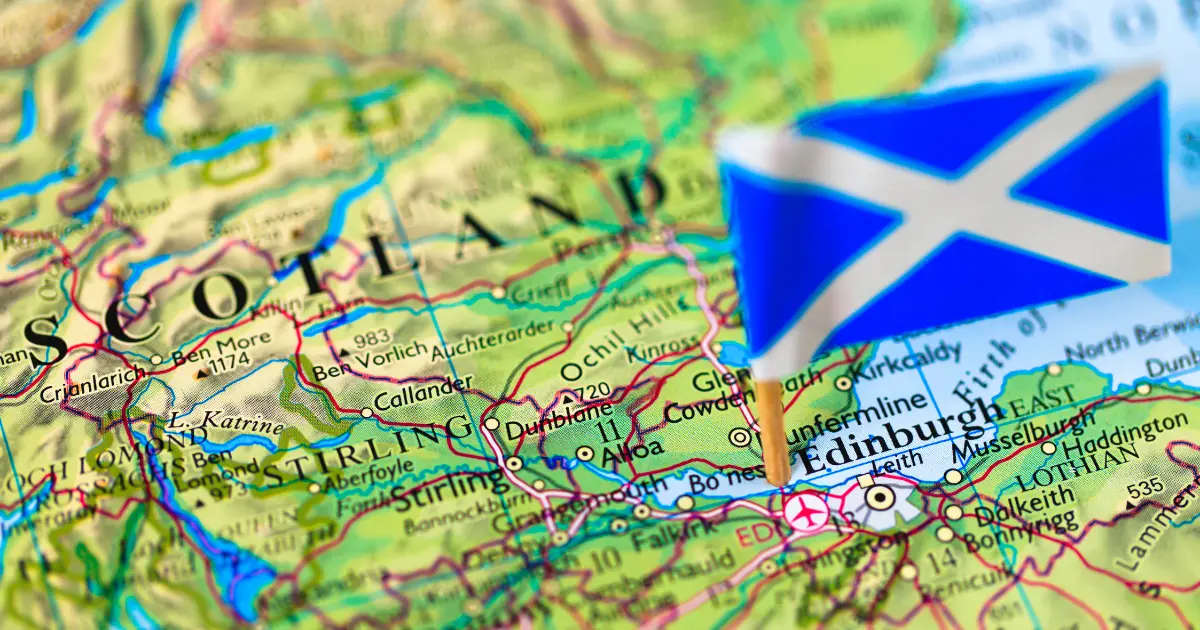
Scotland packs an astonishing range of scenery and history into a small footprint misty lochs, dramatic Highland peaks, whisky-soaked islands, and cities layered with centuries of story. In the space of a single road trip you can go from medieval castle ramparts to empty beaches to mountain passes with barely another car in sight, which is part of why it consistently ranks among Europe’s most rewarding destinations. Whether you’re planning a two-week road trip or a long weekend, this guide covers the best places to visit in Scotland, organized by region, interest, and season, so you can build an itinerary that actually fits how you like to travel.
Table of Contents
Best Places to Visit in Scotland
From ancient capitals to windswept islands, these are the destinations that consistently top every Scotland itinerary.
Edinburgh: Scotland’s Historic Capital
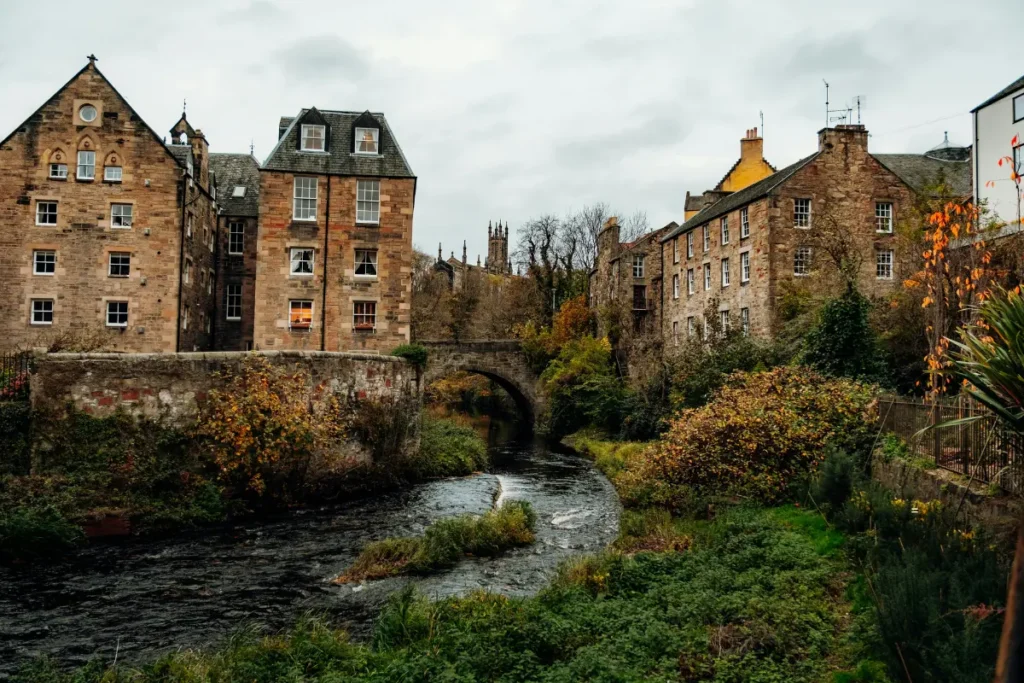
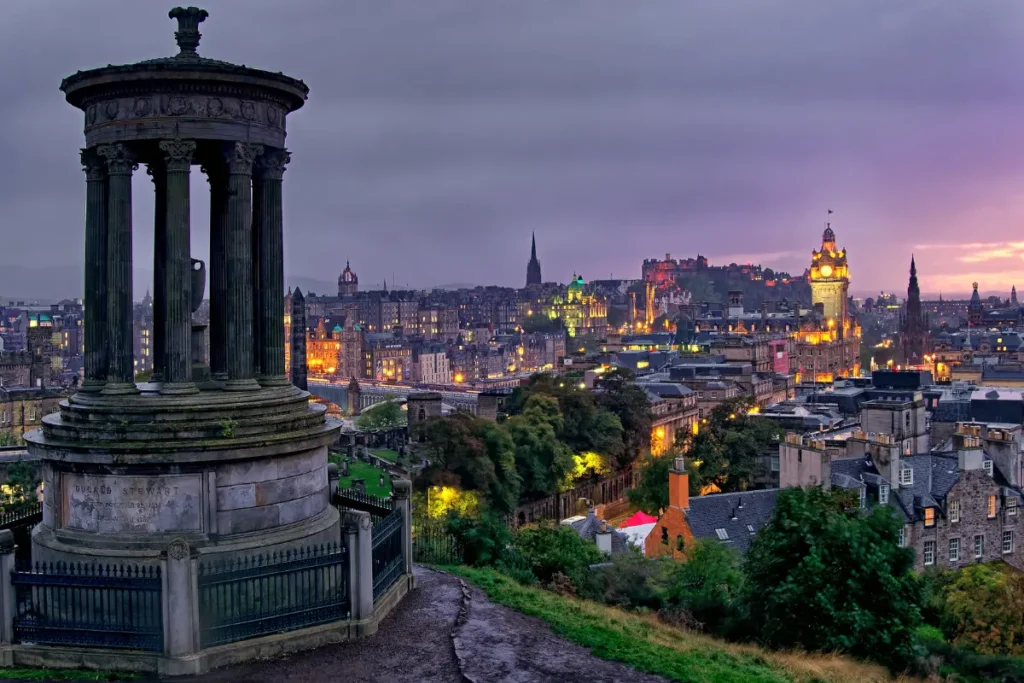
Edinburgh’s Old Town is a maze of cobbled closes beneath a brooding castle, while the Georgian New Town offers wide streets and elegant architecture just a short walk away. Climb Arthur’s Seat for panoramic views, wander the Royal Mile, and time your visit for August if you want to catch the Fringe Festival in full swing.
Isle of Skye: Dramatic Landscapes and Coastal Views
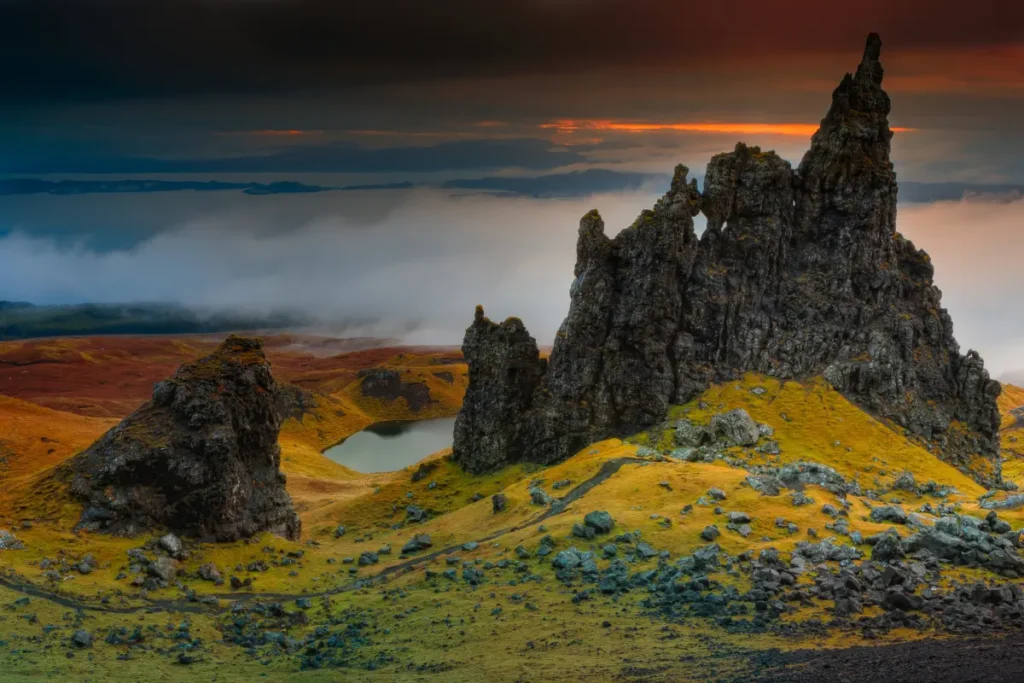
Skye is the Highlands turned up to eleven: jagged Cuillin ridges, the otherworldly Quiraing, and sea cliffs that drop straight into the Atlantic. The Fairy Pools and Old Man of Storr draw hikers, but even a slow drive around the coast delivers scenery that looks almost unreal.
Find hotels in Glasgow for your trip
Glencoe: Mountains, Valleys and Hiking
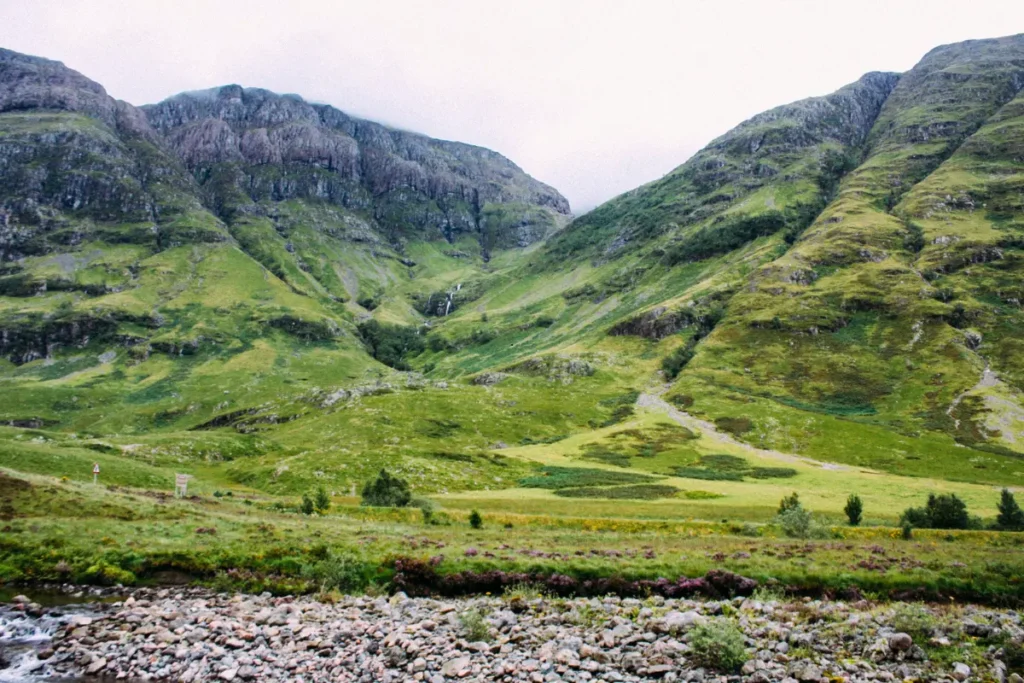
Few places capture the raw drama of the Highlands like Glencoe. Steep-sided mountains rise straight from the valley floor, and the glen’s turbulent history only adds to its brooding atmosphere. It’s a hiker’s paradise, with routes ranging from easy valley walks to serious mountain scrambles.
Cairngorms National Park: Scotland’s Great Outdoors
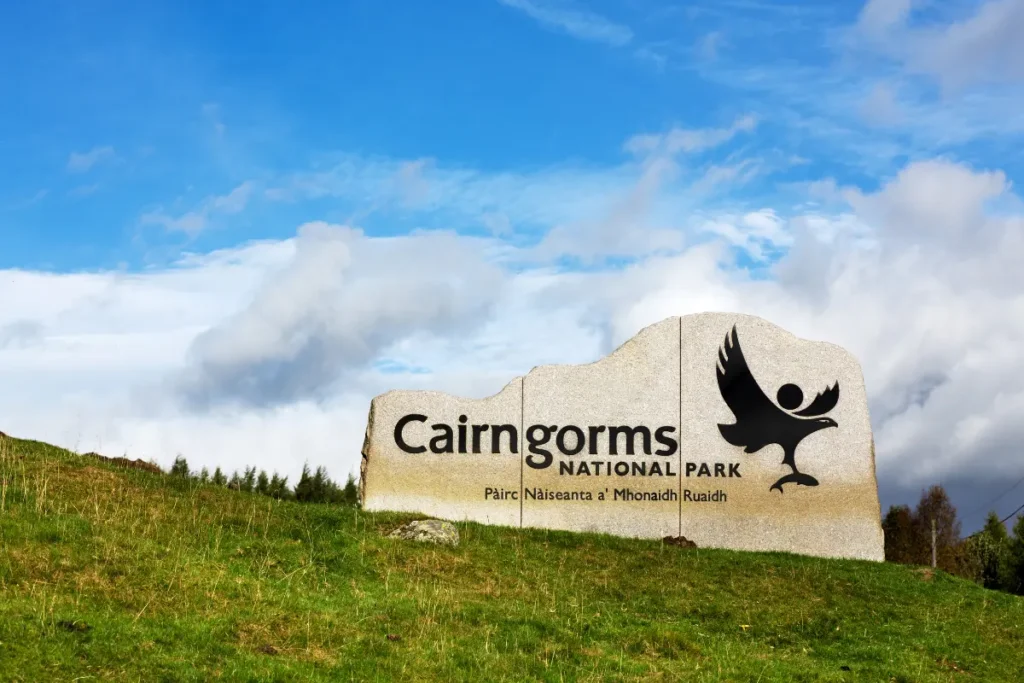
The UK’s largest national park is a haven for wildlife, mountain sports, and slow travel. Reindeer roam the high plateaus, ancient Caledonian pine forests shelter red squirrels and capercaillie, and the park offers everything from gentle lochside strolls to Munro-bagging.
Loch Ness: Scotland’s Most Famous Loch
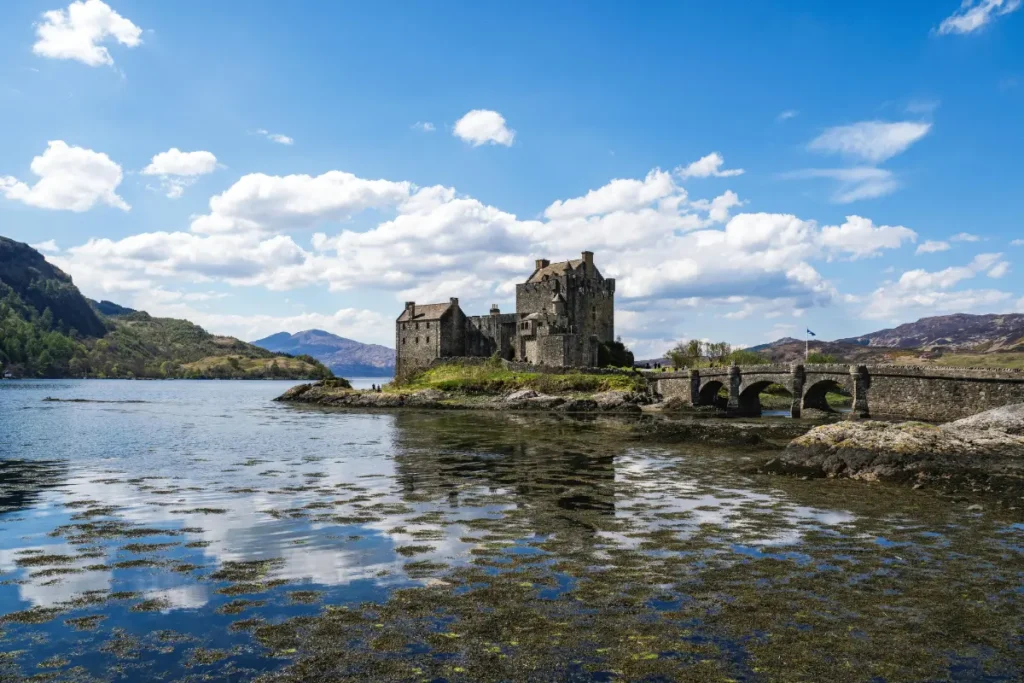
Yes, everyone’s heard of the monster but Loch Ness is worth visiting for its sheer scale and setting alone. Urquhart Castle’s ruins overlook the water, and boat cruises give you the classic postcard view of Scotland’s deepest loch.
Stirling: Castles and Scottish History
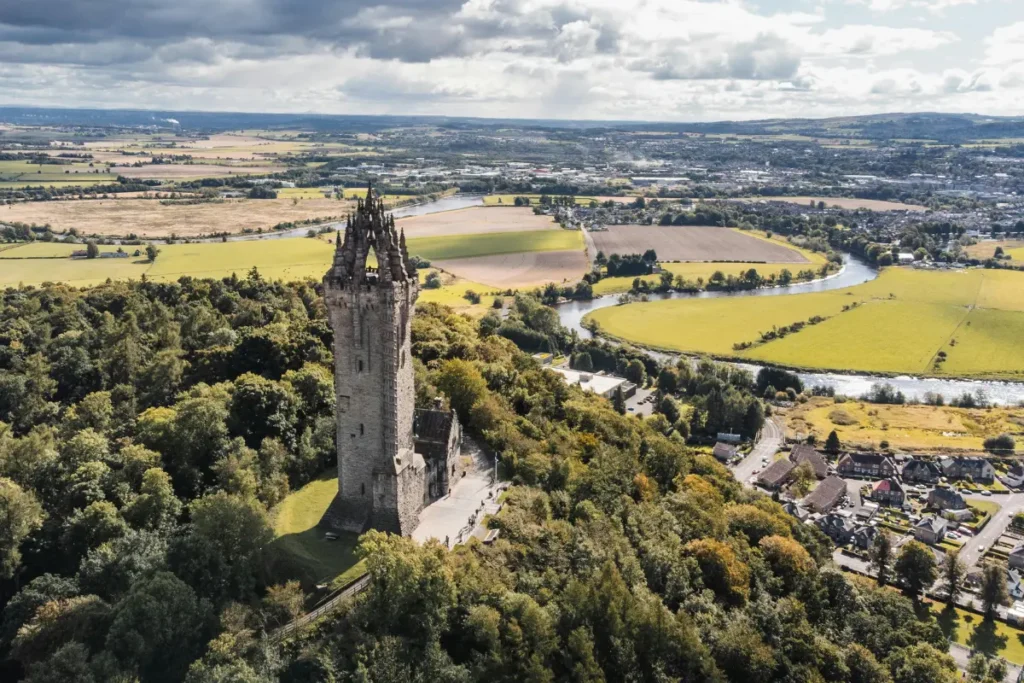
Stirling punches well above its size when it comes to history. Stirling Castle rivals Edinburgh’s for grandeur, and the nearby Wallace Monument and Bannockburn battlefield make this a essential stop for anyone interested in Scotland’s fight for independence.
Isle of Mull: Wildlife and Island Landscapes
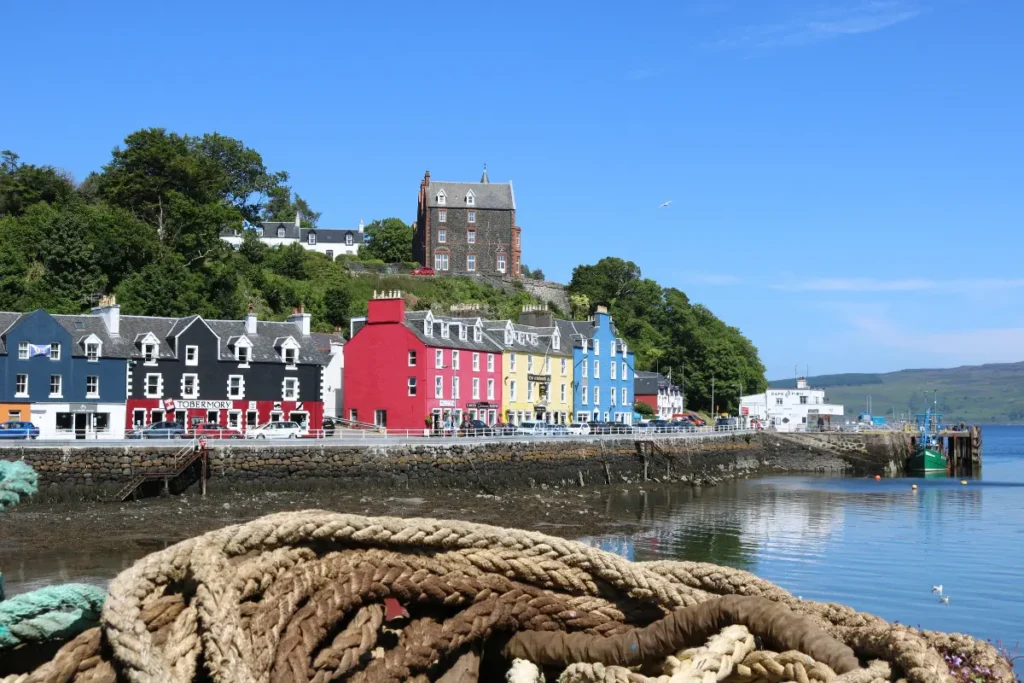
Mull rewards patient travelers with sightings of sea eagles, otters, and even whales off its coast. Colorful Tobermory harbor is one of Scotland’s most photogenic villages, and the island makes a great base for exploring nearby Iona and Staffa.
St Andrews: Golf, Beaches and History
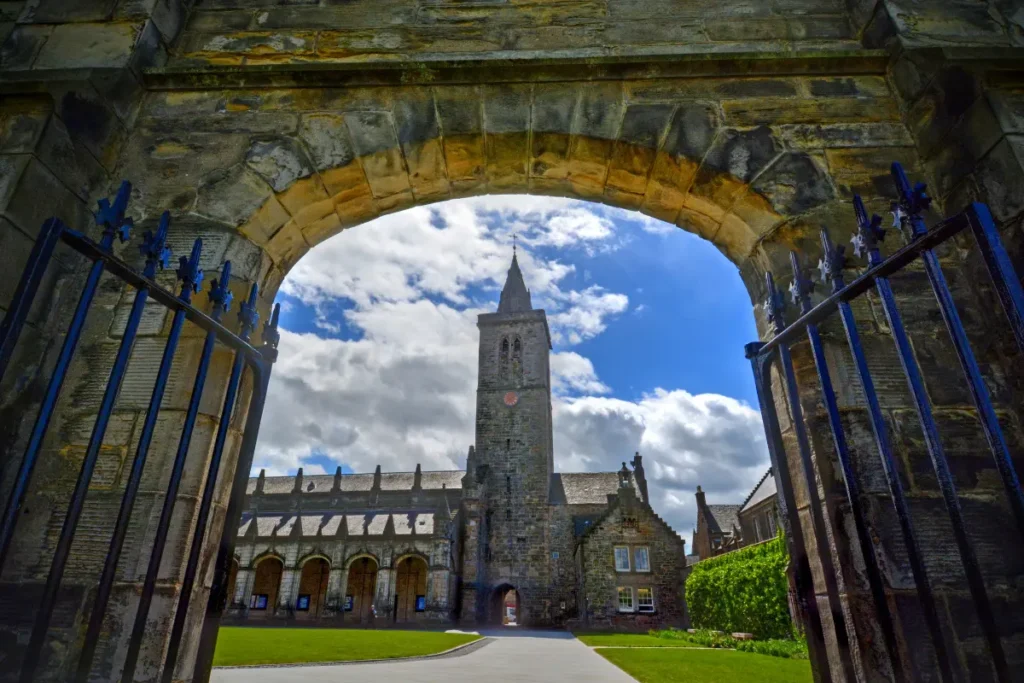
Golf’s spiritual home draws players from around the world, but St Andrews has plenty for non-golfers too: a ruined cathedral and castle, sweeping West Sands beach, and a historic university town atmosphere.
Oban: Seafood and the Scottish Coast
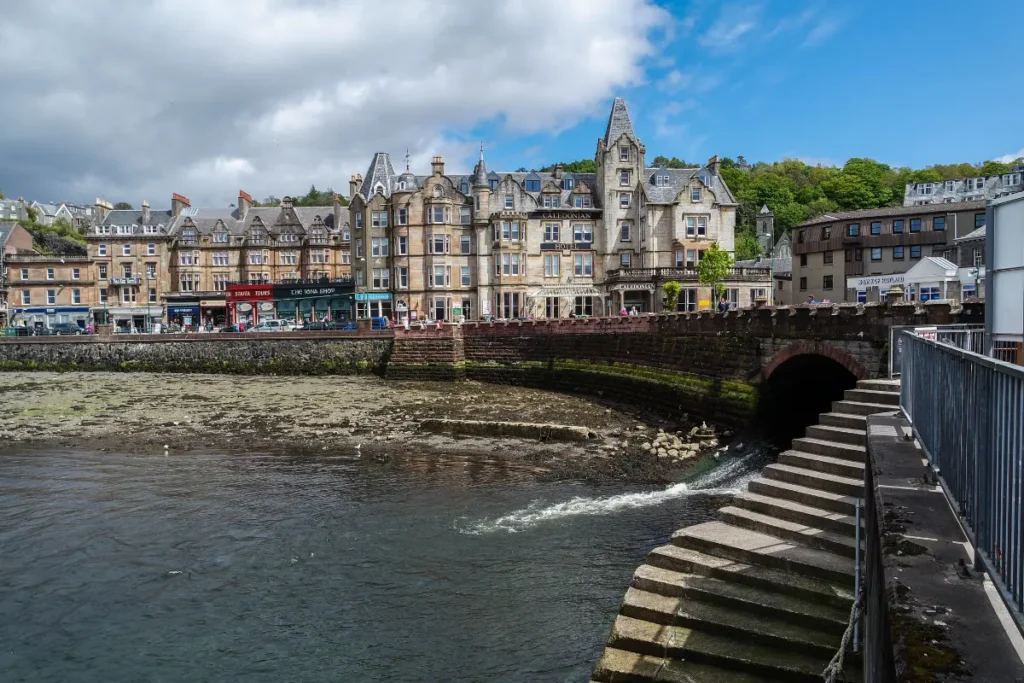
Known as the “seafood capital of Scotland,” Oban is a working harbor town where you can eat freshly caught fish and shellfish right by the water. It’s also the main ferry gateway to the Inner Hebrides.
Orkney: Ancient History and Wild Landscapes
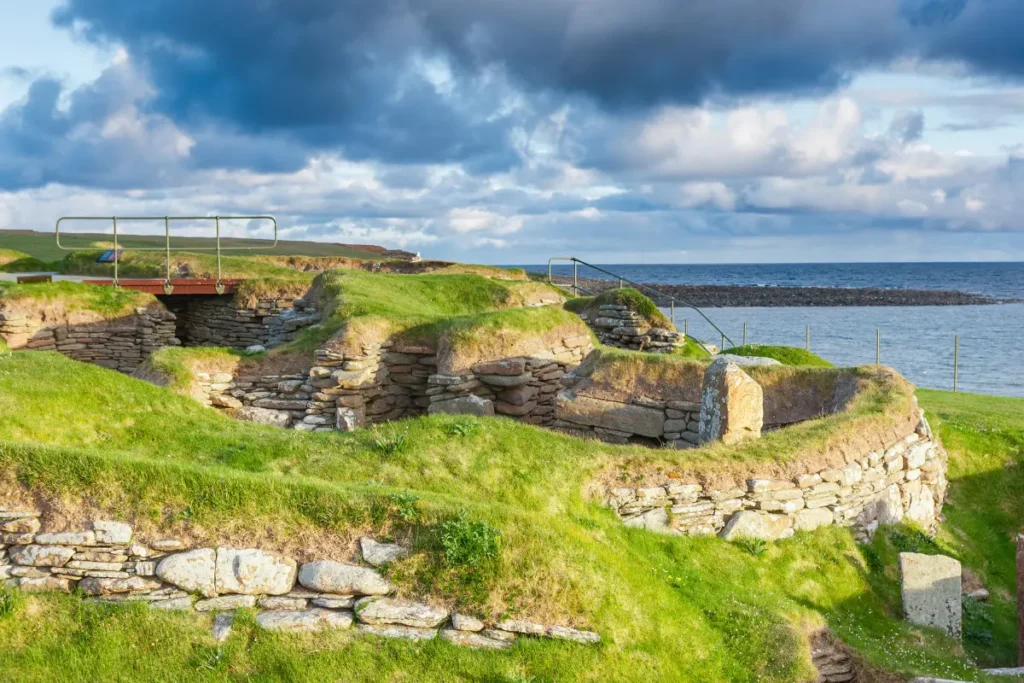
Orkney’s Neolithic sites, including Skara Brae, predate Stonehenge and the Pyramids. Add dramatic cliffs, wartime history at Scapa Flow, and a slower pace of life, and Orkney feels like a different country from mainland Scotland.
Best Places to Visit in Scotland for Mountains and Hiking
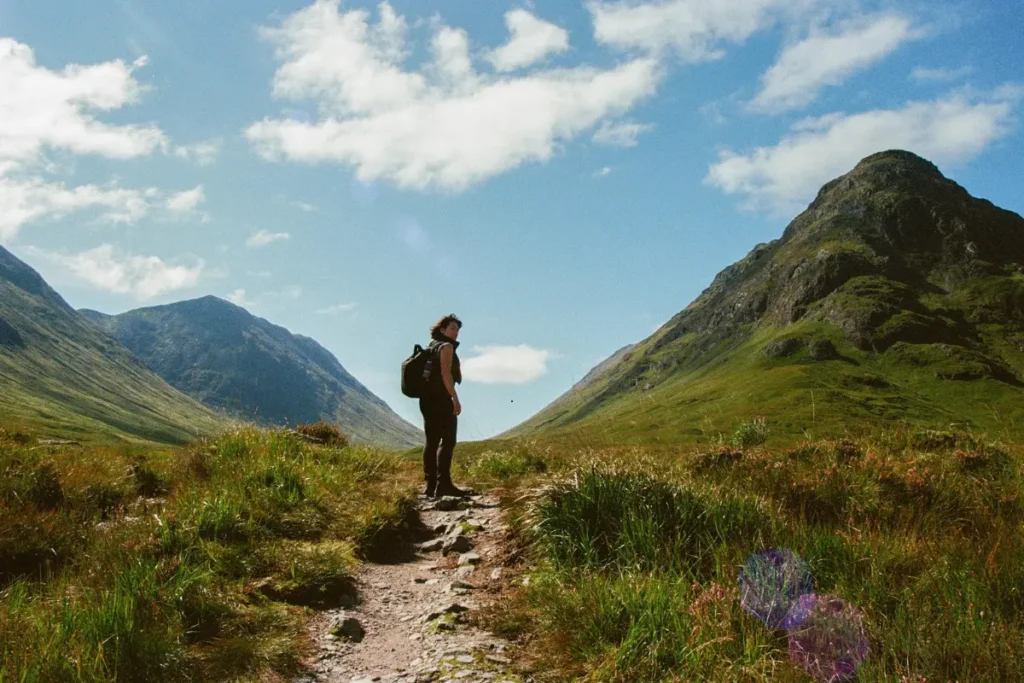
The Cairngorms, Glencoe, and the area around Fort William and Ben Nevis offer the country’s most serious mountain terrain, with routes for everyone from casual walkers to Munro-baggers. The Isle of Skye’s Cuillin range adds a rockier, more technical option for experienced hikers.
Best Places to Visit in Scotland for Islands and Coastlines
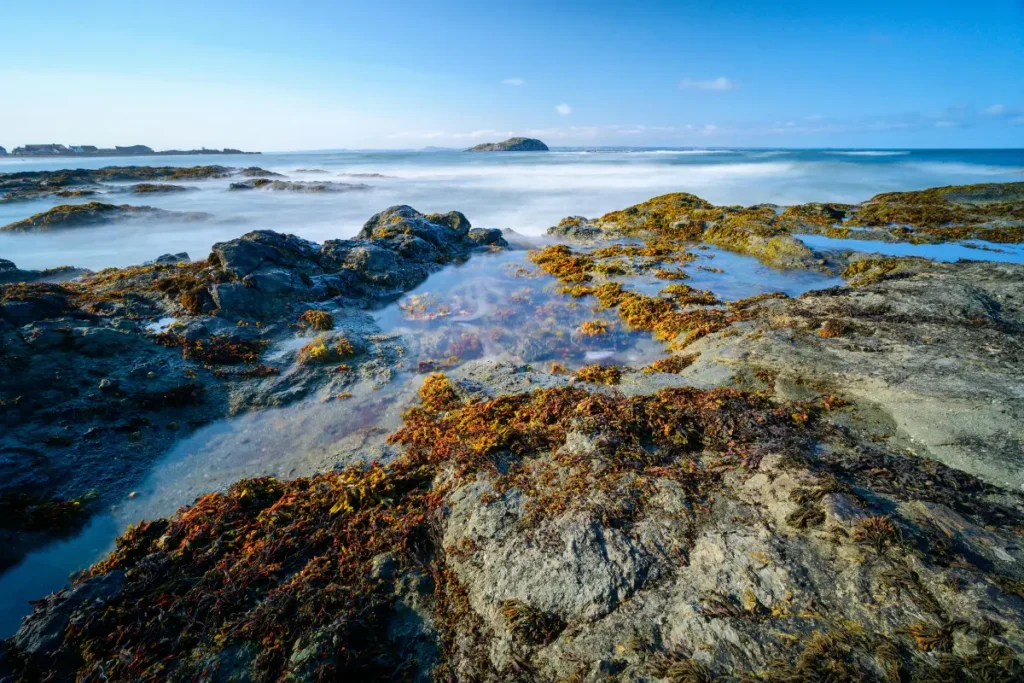
The Isle of Mull, Isle of Islay, and Orkney showcase Scotland’s coastal variety, from wildlife-rich waters to ancient archaeological sites perched above the sea. Oban serves as a convenient jumping-off point for reaching several of these islands by ferry.
Best Cities to Visit in Scotland
Scotland’s cities each have a distinct personality, worth pairing on any longer trip.
Edinburgh and Glasgow
These two cities, just under an hour apart by train, make an obvious pairing: Edinburgh for history, architecture, and festivals; Glasgow for music, art, and food. Many visitors base themselves in one and day-trip to the other.
Aberdeen and Dundee
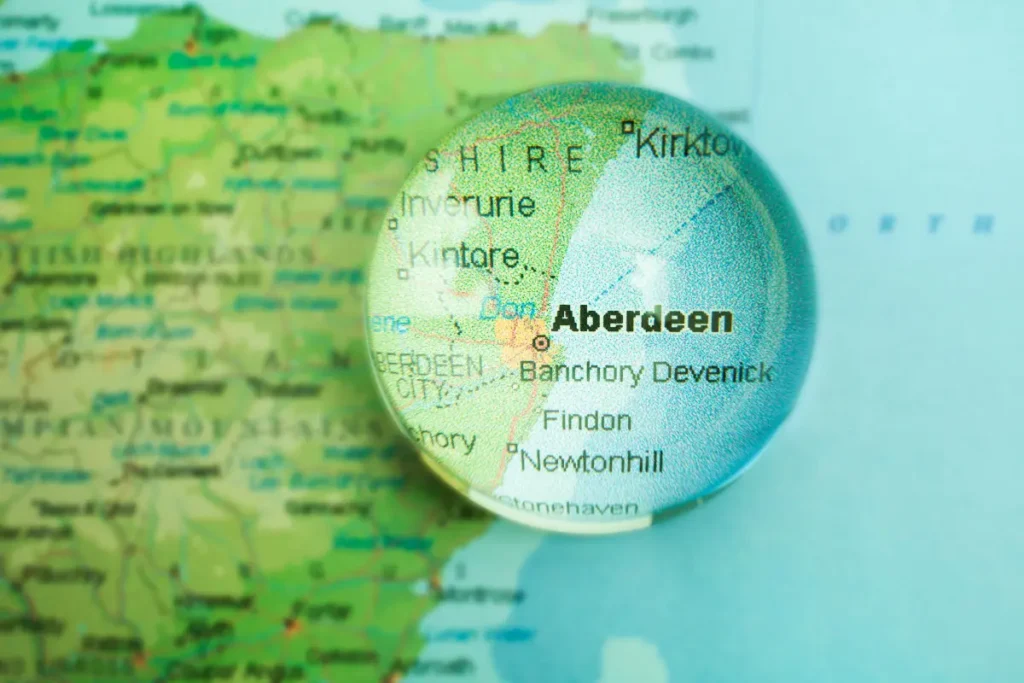
Less visited but worth considering, Aberdeen offers granite architecture and North Sea energy history, while Dundee has reinvented itself around design and culture, anchored by the V&A Dundee museum on the waterfront.
How to Choose the Best Places to Visit in Scotland
With so many options, narrowing down your itinerary comes down to a few key questions. How much time do you have a week is enough for the Highlands and one city, while two weeks lets you add the islands and a second city without feeling rushed? Are you drawn to cities, mountains, or coastline, since Scotland rarely delivers all three without significant driving in between? And how comfortable are you with remote travel, since islands like Orkney and Mull require ferries, earlier planning, and more flexibility around weather than mainland stops.
It also helps to think about pace. Scotland’s roads are scenic but slow, especially in the Highlands, where single-track lanes and passing places can turn a 50-mile drive into a two-hour journey. Trying to fit Edinburgh, Skye, and Orkney into one week usually means spending more time in the car than actually exploring. Instead, pick one or two regions to focus on and build in slack for detours, bad weather days, and the inevitable stop for a good view. Matching your pace and interests to the right mix of destinations will make for a far more enjoyable trip than trying to see everything at once.
Best Time to Visit Scotland
The best time to visit Scotland depends on what you want to see and do. The months from May to September are popular for exploring Scotland’s cities, Highlands, islands, and coastal landscapes because of the longer daylight hours and generally milder weather. However, each season offers a different experience.
- Spring (March to May): A good time to explore Scotland with fewer crowds, fresh green landscapes, and the beginning of longer days. May is particularly good for sightseeing and outdoor activities.
- Summer (June to August): The most popular time to visit Scotland, with long daylight hours and good conditions for hiking, road trips, and exploring the Highlands and islands. July and August are also the busiest months.
- Autumn (September to November): A beautiful time to visit Scotland for colorful landscapes, fewer tourists, and a quieter atmosphere. September and early October are especially good for sightseeing and outdoor adventures.
- Winter (December to February): A quieter season with shorter days and colder, wetter weather, but it can be a great time to experience Scotland’s cities, castles, winter landscapes, and festive atmosphere.
Final Thoughts on Places to Visit in Scotland
Scotland rewards travelers who resist the urge to cram in everything at once. Whether you’re drawn to Edinburgh’s historic skyline, the wild beauty of Skye and Glencoe, or the quieter charm of the islands, the country offers enough variety for a lifetime of return visits. Many first-time visitors leave already planning a second trip, simply because a single visit can’t do justice to both the Highlands and the islands, or both the cities and the coastline.
Start with the places that match what you love most mountains, cities, coastline, or history and build outward from there rather than trying to force every highlight into one route. Scotland has a way of rewarding whoever slows down enough to actually look at it, whether that’s a quiet moment on an empty beach in Islay or the view from the top of Arthur’s Seat at sunset. Let the rest of the country wait for next time.