
Best Cities to Visit in Spain
Discover the best cities to visit in Spain, from Barcelona, Madrid, and Seville to Granada, Valencia, Málaga, and charming smaller cities. Find the best places for history, food, culture, architecture, and easy train travel.
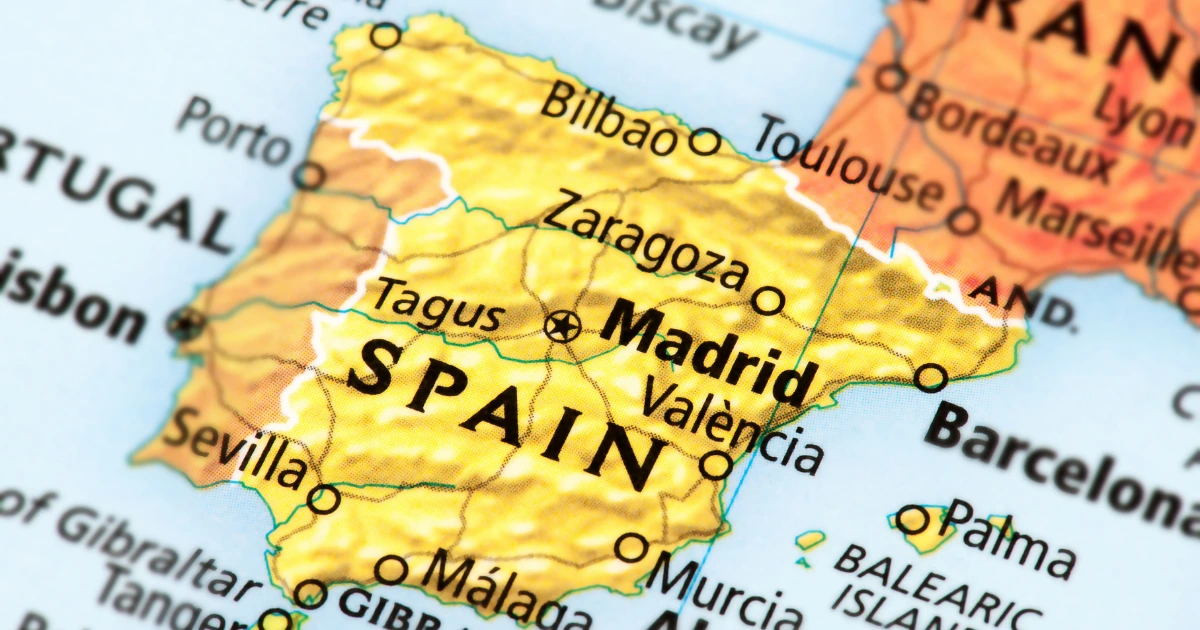
Spain doesn’t do things halfway. One city hands you Gothic cathedrals and tangled medieval alleys, the next throws Gaudí’s melting rooftops at you, and a third serves tapas on a sun-warmed plaza until well past midnight. Picking where to go can feel overwhelming so here’s a grounded, first-hand look at the best cities to visit in Spain, from the icons to the towns most visitors never make it to.
Key Takeaways
- Barcelona, Madrid, and Seville anchor most first-time itineraries, each with a distinct personality coastal and artsy, grand and central, warm and flamenco-soaked.
- Granada, Valencia, and Málaga round out a well-paced two-week trip and each punch above their weight on food, architecture, or Moorish history.
- Spain’s smaller cities Toledo, San Sebastián, Córdoba, Girona often deliver the most memorable single day of a trip.
- High-speed trains (AVE) connect most major cities in under three hours, making a multi-city itinerary genuinely easy to pull off without a car.
- Shoulder season (April–June, September–October) offers the best mix of mild weather, manageable crowds, and reasonable prices.
Table of Contents
Exploring the Best Cities to Visit in Spain
Spain rewards travelers who move slowly. Rather than treating it as a checklist of landmarks, think of a trip here as a string of very different cities, each with its own rhythm Madrid’s late dinners, Barcelona’s beach-and-architecture balance, Seville’s orange-blossom evenings. Trains make hopping between them painless, so the real planning question isn’t how to get around, but how many cities to fit into the time you have. Two or three well-chosen stops usually beats a rushed tour of six.
Best Cities to Visit in Spain

Barcelona, Madrid, and Seville
These three cities form the backbone of most Spain itineraries, and for good reason.
Barcelona pairs Mediterranean beaches with the surreal architecture of Antoni Gaudí the Sagrada Família, Park Güell, and Casa Batlló are unlike anything else in Europe. The Gothic Quarter’s narrow lanes and the buzz of La Boqueria market round out a city that feels equal parts artistic and coastal.
Madrid is Spain’s grand, central capital: wide boulevards, world-class museums (the Prado, Reina Sofía, and Thyssen-Bornemisza form the “Golden Triangle of Art”), and a nightlife scene that barely gets started before midnight. It’s also the easiest base for day trips, with Toledo and Segovia both under an hour away by train.
Seville is Andalusia at its most romantic the Real Alcázar’s Moorish palace gardens, the soaring Seville Cathedral, and flamenco performed in small, smoky tablaos. Orange trees line the streets, and the pace slows to match the Andalusian heat.
Granada, Valencia, and Málaga
A step beyond the big three, these cities each have a signature draw worth building a trip around.
Granada means one thing above all: the Alhambra, a hilltop Moorish fortress-palace so intricate it’s worth booking tickets weeks in advance. The Albaicín quarter below it offers some of the best sunset views in Spain.
Valencia is Spain’s third-largest city and arguably its most underrated home to the futuristic City of Arts and Sciences, a genuinely excellent beach, and the birthplace of paella, which tastes better here than anywhere else it’s served.
Málaga has reinvented itself from beach-resort gateway to a legitimate cultural destination, anchored by the Picasso Museum (the artist was born here) and a historic center that’s easy to explore on foot before heading to the coast.
History, Culture, and Local Experiences in Spanish Cities
Spain’s cities carry layers of history that are unusually visible day to day Roman ruins, centuries of Moorish rule, and Christian reconquest all left their mark, often on the same building. Córdoba’s Mezquita, a mosque with a cathedral built directly inside it, captures this collision better than almost anywhere in Europe.
Local life still moves around old rhythms too: the late lunch, the evening paseo (a leisurely walk through the plaza), and the tradition of tapas-hopping from bar to bar rather than sitting down for one long meal. Spending an evening doing as locals do a slow crawl through a handful of bars, a drink in hand, a small plate at each stop tells you more about a city than any museum visit.
Famous Landmarks and Beautiful Architecture
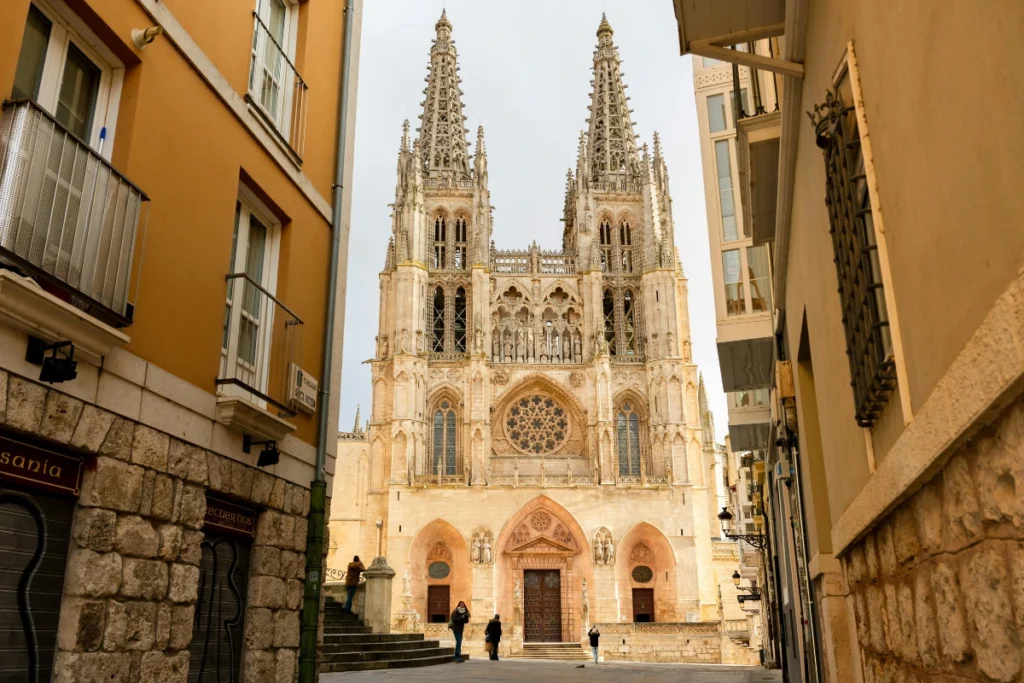
Historic Sites and Cultural Landmarks
Spain’s landmark list reads like a highlight reel of European history: the Alhambra in Granada, the Mezquita in Córdoba, Seville’s Real Alcázar and Cathedral, and Madrid’s Royal Palace. Each reflects a different chapterMoorish al-Andalus, the Catholic Reconquista, or Spain’s imperial golden age and visiting them in sequence across a few cities is one of the best ways to understand the country’s layered past.
Squares, Cathedrals, and Modern Architecture
Beyond the marquee sites, Spain’s public squares are where cities actually live Madrid’s Plaza Mayor, Seville’s Plaza de España with its sweeping tiled alcoves, and Barcelona’s Plaça Reial ringed with palm trees and cafés. On the modern end, Barcelona’s Gaudí buildings and Valencia’s City of Arts and Sciences show a country just as willing to experiment as it is to preserve.
Food and Traditions in the Best Cities to Visit in Spain

Food in Spain is regional to its core, and the best approach is to eat according to where you are rather than chasing a single national dish. In the Basque Country and San Sebastián, that means pintxos elaborate bite-sized snacks stacked on bread and pinned with a toothpick.
In Valencia, it’s paella, ideally eaten in the afternoon the way locals do. In Seville and across Andalusia, it’s tapas culture at its most social, alongside cold gazpacho in the summer heat. Madrid brings cocido madrileño, a hearty chickpea stew, and a late-night bar scene built around jamón ibérico and vermouth.
Wherever you land, the golden rule holds: eat later than feels natural, and order a little at a time so you can try more.
Affordable Stays and Practical City Travel Tips
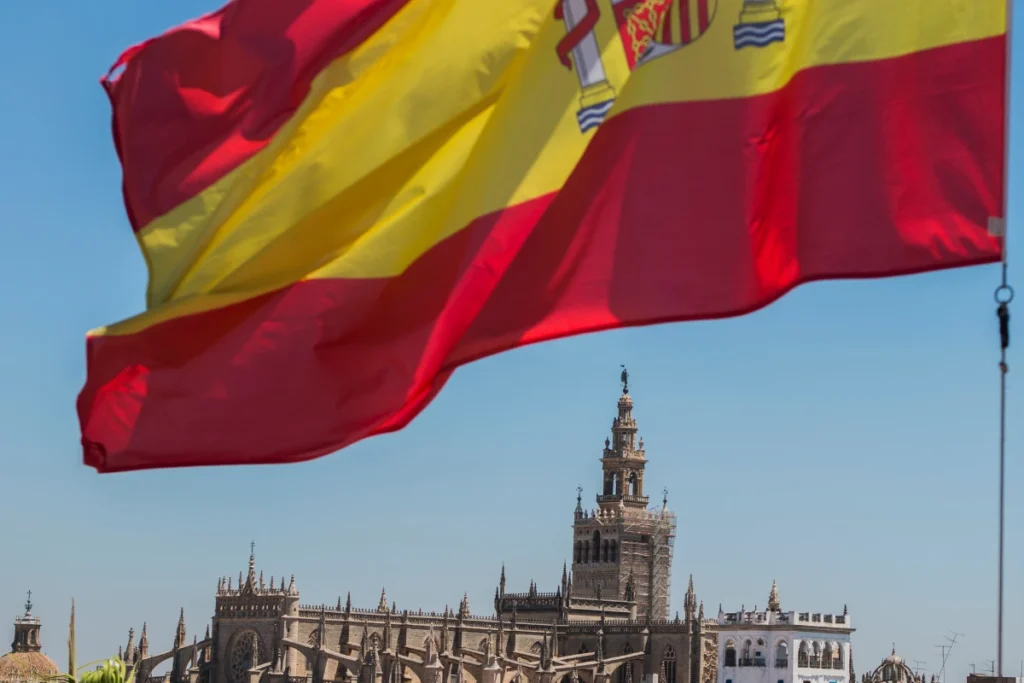
Spain remains one of Western Europe’s better values, but costs vary a lot by city and season.
- Budget accommodation: Hostels and guesthouses in secondary cities (Valencia, Granada, Málaga) run notably cheaper than Barcelona or Madrid; booking a few weeks ahead in shoulder season keeps prices reasonable everywhere.
- Getting between cities: The AVE high-speed rail network connects most major cities in two to three hours Madrid to Barcelona, Madrid to Seville, and Madrid to Valencia are all easy day-of options. Booking trains a few weeks out saves significantly over last-minute fares.
- Getting around within cities: Historic centers are almost always walkable; metro systems in Madrid and Barcelona are cheap and efficient for longer hops.
- City tourist taxes: Several cities, including Barcelona, add a small nightly tourism tax to hotel bills worth factoring into a budget but rarely significant.
- Timing purchases: Book Alhambra and Sagrada Família tickets well in advance; both sell out, especially in summer.
Charming Smaller Cities and Hidden Gems in Spain
The big names get the attention, but some of Spain’s best travel days happen in its smaller cities.
- Toledo a compact, walled former capital an hour from Madrid, dense with churches, synagogues, and mosques from three religious traditions.
- San Sebastián a Basque coastal city with a stunning beach, Michelin-starred restaurants, and arguably the best pintxos in the country.
- Córdoba home to the Mezquita and a beautifully preserved Jewish Quarter, easily manageable as a day trip from Seville.
- Girona a small Catalan city near Barcelona with a colorful riverside old town and medieval walls you can walk in full.
- Cádiz one of the oldest continuously inhabited cities in Western Europe, with a laid-back, salty, seaside feel.
Planning a Trip to the Best Cities to Visit in Spain
For a first trip, two to three cities over 10–14 days is a comfortable pace for example, Madrid, Seville, and Barcelona, using trains to connect them and a day trip or two woven in (Toledo from Madrid, Córdoba from Seville).
Travelers with more time can add Granada or Valencia, or swap a big city for a smaller one like San Sebastián. The best months to go are April through June and September through October, when temperatures are comfortable and crowds thinner than peak summer.
Whatever the itinerary, building in at least one unplanned afternoon per city just to wander usually produces the best memories of the trip.
| Route | Travel Time | Best For |
|---|---|---|
| Madrid – Toledo | 30 minutes | Historical sites and a day trip |
| Madrid – Seville | About 2 hours 30 minutes | Connecting major cities by train |
| Seville – Córdoba | About 45 minutes | Architecture and a day trip |
| Seville – Barcelona | About 5 hours 30 minutes | Connecting southern Spain with Barcelona |
Conclusion
There’s no single “best” city to visit in Spain the right answer depends on whether you’re chasing architecture, history, food, or beaches, and most travelers end up wanting a mix of all four.
Anchor a trip around Madrid, Barcelona, or Seville, add in a smaller gem like Toledo or Granada, and let the trains do the rest of the work.
Spain rewards a slower pace more than a packed checklist, so it’s worth resisting the urge to see everything and instead giving each city the time to actually sink in.
FAQ
What are the best cities to visit in Spain for the first time?
Madrid, Barcelona, and Seville are the classic first-trip combination they cover Spain’s capital, its most architecturally distinctive city, and its most romantic Andalusian city, and are all well-connected by train.
Which Spanish cities are best for culture and history?
Granada, Córdoba, and Seville lead on history thanks to their Moorish-era landmarks (the Alhambra and the Mezquita in particular), while Toledo offers an unusually concentrated mix of Christian, Muslim, and Jewish heritage in one small city.
What is the best time to visit the cities of Spain?
April to June and September to October offer the best balance of mild weather, smaller crowds, and lower prices. July and August are hot, especially in the south, and very crowded at major landmarks.
How many days do you need to visit Spanish cities?
Plan two to three days per major city at minimum. A 10–14 day trip comfortably covers two to three cities with time for day trips; shorter trips are better spent focused on a single city and its surroundings.
What is the best way to travel between cities in Spain?
Spain’s AVE high-speed trains are the easiest way to move between major cities, typically taking two to three hours and dropping you in city-center stations. Booking a few weeks ahead usually secures the best fares.
Which Spanish cities are best for food?
San Sebastián is often considered Spain’s top food city thanks to its pintxos culture and concentration of Michelin-starred restaurants, while Valencia (paella), Seville (tapas), and Madrid (cocido madrileño, jamón) each offer distinct regional specialties worth planning meals around.